Investing in the best commercial food dehydrator can be a game-changer for any business looking to enhance food preservation, reduce waste, and diversify product offerings. From bustling restaurants and artisan food producers to health-conscious cafes and small farms, a robust food dehydrator transforms fresh produce into valuable, shelf-stable goods. This comprehensive guide will walk you through everything you need to know to choose the perfect commercial dehydrator that fits your specific needs, ensuring efficiency, quality, and profitability.
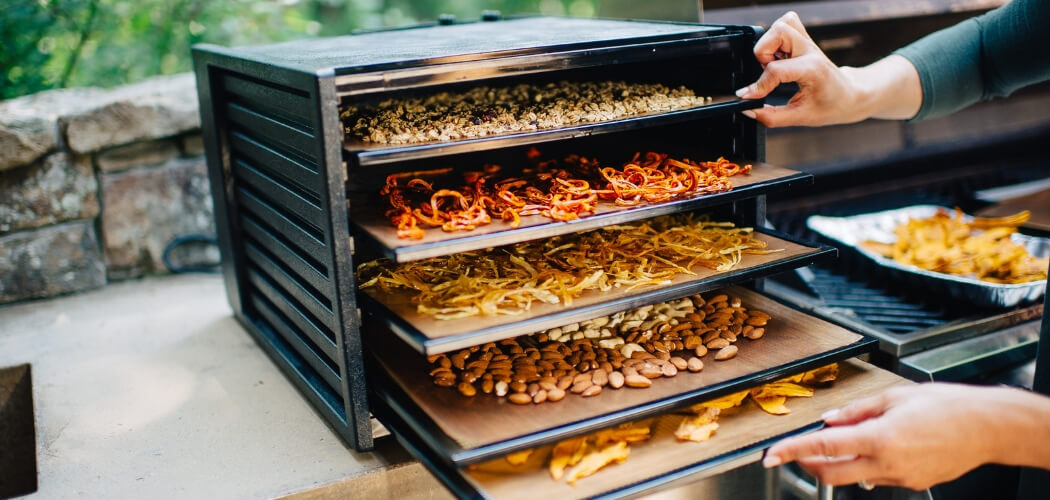
What is a Food Dehydrator and Why Does Your Business Need One?
A food dehydrator is an appliance that removes moisture from food through controlled heat and airflow, effectively preserving it. This process inhibits the growth of bacteria, yeasts, and molds, extending the shelf life of ingredients and prepared products dramatically. For businesses, a commercial food dehydrator isn’t just a kitchen gadget; it’s a strategic asset. It helps in managing seasonal gluts, turning surplus produce into marketable items, and creating unique, healthy snacks. Imagine transforming ripe fruits into delicious fruit leathers, crafting gourmet jerky, or making your own dried herbs and spices – all with a concentrated flavor that appeals to customers. This method also helps reduce food waste, contributing to both environmental sustainability and your bottom line.
Key Features to Look for in a Commercial Food Dehydrator
Choosing the best commercial food dehydrator means evaluating several critical features that impact performance, durability, and ease of use.
Capacity: Size Matters for Commercial Operations
The capacity of your dehydrator, typically measured by the number and size of its trays, is paramount for commercial use. Unlike small home units, commercial dehydrators need to handle large batches efficiently. Look for models with 10 or more large trays (e.g., 16×14.5 inches) to maximize throughput and minimize drying cycles. High-volume businesses might even consider industrial-sized units with 20 or more shelves.
Construction Materials: Durability and Hygiene
For commercial environments, stainless steel construction is highly recommended. It offers superior durability, rust resistance, and is easier to sanitize, meeting strict food safety standards. While plastic models exist, stainless steel ensures longevity and hygiene in demanding professional settings.
Airflow System: Even Drying is Key
The efficiency of a dehydrator largely depends on its airflow system.
- What is the best airflow system for a commercial food dehydrator?
Rear-mounted fans, which create horizontal airflow, are generally considered superior for commercial dehydrators. This system ensures consistent and even drying across all trays, eliminating the need to rotate shelves and reducing hot spots. Bottom-mounted fans, often found in cheaper, smaller units, can lead to uneven drying and require more manual intervention.
Precise Temperature Control and Timer: Mastering the Drying Process
Commercial operations require precise control over the drying process. Look for dehydrators with digital thermostats offering a wide temperature range (e.g., 95°F to 165°F or 35°C to 74°C) to accommodate various food types. A programmable timer, often up to 15 hours or even 48 hours, allows for unattended operation and consistent results.
Power and Wattage: Efficiency and Speed
Higher wattage (e.g., 1000W to 1500W) generally translates to faster and more efficient drying. A powerful motor ensures adequate heat and airflow, especially for larger batches, cutting down on drying times and energy consumption over the long run.
Ease of Cleaning and Maintenance: A Time Saver
In a commercial kitchen, easy cleanup is non-negotiable. Opt for models with removable, dishwasher-safe trays and a smooth, accessible interior. Stainless steel surfaces are typically easier to wipe down and sanitize than intricate plastic components.
Safety Certifications: Ensuring Compliance
Always check for relevant safety certifications like ETL or BPA-free labels. These certifications ensure the appliance meets industry safety standards and that materials in contact with food are non-toxic, crucial for commercial food production.
Noise Level: A Consideration for Workspaces
While commercial dehydrators are workhorses, some models are designed to operate more quietly than others. If your dehydrator will be in a shared workspace or near customer areas, considering a model with reduced noise output can be beneficial.
Types of Commercial Food Dehydrators
Primarily, commercial food dehydrators fall into two main categories based on their airflow:
- Horizontal Airflow (Tray-loading) Dehydrators: These are the most common and recommended for commercial use. They feature a heating element and fan at the back, circulating air horizontally across all trays. This design ensures even drying, prevents flavor mixing, and allows for easy access to individual trays without disrupting the drying process of others. Many of the best commercial food dehydrator models utilize this design.
- Vertical Airflow (Stackable) Dehydrators: These have a heating element and fan at the bottom or top, with air flowing vertically through stacked trays. While more compact and often cheaper, they tend to dry less evenly and are usually better suited for home use rather than high-volume commercial operations due to potential for uneven drying and difficulty in accessing middle trays.
Using Your Commercial Food Dehydrator: A Step-by-Step Guide
Operating a commercial food dehydrator is straightforward, but attention to detail ensures optimal results.
- Preparation: Always start with clean, fresh, high-quality produce. Wash and dry thoroughly. Slice foods uniformly to ensure even drying. Pre-treatment (blanching for vegetables, acid dips for fruits) can prevent discoloration and preserve nutrients.
- Loading: Arrange food in a single layer on the dehydrator trays, ensuring adequate space between pieces for airflow. Avoid overloading the trays, as this can impede drying.
- Setting: Set the appropriate temperature and timer for the specific food you are dehydrating. Refer to your dehydrator’s manual or reliable recipes for guidance.
- Monitoring: While horizontal airflow dehydrators minimize the need for tray rotation, it’s good practice to periodically check on the drying progress. Foods towards the back or edges might dry slightly faster.
- Cooling: Once fully dehydrated, allow the food to cool completely at room temperature before storing. This prevents condensation and ensures crispness.
What Can You Dehydrate Commercially? Popular Applications
The versatility of a commercial food dehydrator opens up a world of possibilities for businesses.
- Fruits: Create popular snacks like apple chips, dried mango, banana slices, pineapple rings, and fruit leathers. These are excellent for health food stores, cafes, and packed lunches.
- Vegetables: Make kale chips, dried tomatoes, bell peppers, onions, and root vegetable crisps. Ideal for gourmet ingredients, soup mixes, or healthy meal additions.
- Meats: Jerky production (beef, turkey, venison) is a highly profitable venture with a commercial dehydrator.
- Herbs and Spices: Dry your own herbs like basil, oregano, parsley, and rosemary for superior flavor and aroma compared to store-bought options.
- Pet Treats: Produce healthy, additive-free pet treats using lean meats or vegetables, a growing market for pet-focused businesses.
- Specialty Products: Experiment with raw food crackers, granola, or unique blended vegetable powders.
Maximizing Efficiency: Tips and Tricks for Commercial Dehydration
Getting the most out of your commercial dehydrator means employing smart techniques.
- Pre-treatment Methods: For fruits, a quick dip in lemon juice or ascorbic acid solution can prevent browning. Vegetables benefit from blanching to shorten drying time and preserve color.
- Even Slicing: A mandoline slicer or food processor with a slicing attachment ensures consistent thickness, leading to uniform drying. Inconsistent slices will result in some pieces being over-dried while others are still moist.
- Optimal Loading: While you want to maximize capacity, avoid stacking or overlapping food too much. Good air circulation around each piece is vital.
- Monitoring Humidity: In humid environments, drying times can be longer. Ensure your dehydrator is in a well-ventilated area.
- Batching: Group similar foods together or adjust temperatures for different foods being dried simultaneously to ensure optimal results.
Proper Storage of Dehydrated Foods
Correct storage is crucial to maintain the quality and extend the shelf life of your commercially dehydrated products.
- Airtight Containers: Once cooled, store dehydrated foods in airtight containers, such as glass jars, vacuum-sealed bags, or Mylar bags.
- Cool, Dark Place: Keep containers in a cool, dark, and dry environment. Light and heat can degrade flavor and nutrients over time.
- “Conditioning” Dried Foods: For fruits and vegetables, some recommend “conditioning” them by placing the cooled, dried food loosely in a container for a week, shaking daily. If any moisture appears, dehydrate further.
- Shelf Life: Properly stored, dehydrated foods can last for months or even years, offering a significant advantage for inventory management.
Nutritional Value of Dehydrated Foods
One of the great advantages of dehydration is that it preserves most of the nutritional value of fresh food. While some heat-sensitive vitamins (like Vitamin C) may be slightly reduced, essential minerals, fiber, and concentrated flavors remain. Dehydrated foods offer a healthy, nutrient-dense snack alternative, free from added sugars, preservatives, or artificial ingredients often found in processed options.
Commercial Dehydrators vs. Other Preservation Methods
Compared to canning, freezing, or pickling, dehydration offers distinct advantages for businesses:
- Space Efficiency: Dehydrated foods shrink significantly, requiring less storage space than frozen or canned goods.
- Weight Reduction: The removal of water makes products lighter, reducing shipping costs if you sell online.
- Energy Efficiency: While running, a dehydrator uses less energy than continuously powering a large freezer.
- Flavor Concentration: Dehydration intensifies natural flavors, leading to unique and appealing products.
- Versatility: Dehydrators can handle a wider variety of foods than canning or freezing alone.
“The shift to commercial dehydration is not just about preserving food; it’s about innovating. Businesses that embrace this technology can unlock new product lines, optimize their supply chain, and meet the growing consumer demand for natural, healthy, and shelf-stable options,” says Dr. Anya Sharma, a renowned food preservation specialist.
Frequently Asked Questions About Commercial Food Dehydrators
What is the difference between home and commercial food dehydrators?
Commercial food dehydrators are built for higher capacity, durability, and continuous operation. They often feature stainless steel construction, more powerful heating elements and fans, precise digital controls, and larger tray counts compared to home models, which are typically smaller and made with more plastic components.
How much power does a commercial dehydrator use?
The wattage of commercial dehydrators varies, but commonly ranges from 1000 watts to 1500 watts or higher. While they consume more power than home units during operation, their efficiency in processing large volumes can make them more cost-effective for businesses.
Can I dehydrate liquids in a commercial dehydrator?
While you can’t dehydrate pure liquids, you can dehydrate purees (like fruit leathers or vegetable roll-ups) or thin batters on special non-stick sheets or parchment paper.
How do I clean my commercial dehydrator?
Most commercial dehydrators have removable trays that can be washed by hand or in a commercial dishwasher. The interior can be wiped down with a damp cloth and mild, food-safe cleaner. Regular cleaning is essential for hygiene and to prevent flavor transfer.
Is stainless steel essential for commercial dehydrators?
For commercial use, stainless steel is highly recommended due to its superior durability, corrosion resistance, ease of cleaning, and compliance with food safety standards. While some parts might be plastic, the main casing and trays should ideally be stainless steel.
Conclusion
Choosing the best commercial food dehydrator is a strategic decision that can significantly impact your business’s efficiency, product range, and profitability. By focusing on key features like capacity, construction materials, airflow, and precise controls, you can select a dehydrator that meets the rigorous demands of commercial food production. Embrace the power of dehydration to extend shelf life, minimize waste, and offer your customers a diverse array of healthy, flavorful, and unique products. It’s an investment that pays dividends in both quality and innovation, ensuring your business stands out in the competitive food market.
|
Our Picks for the Best Food Dehydrator in 2026
As an Amazon Associate I earn from qualifying purchases.
|
||
| Num | Product | Action |
|---|---|---|
| 1 | Magic Mill Premium Food Dehydrator Machine (10 Extra-Large Stainless Steel Trays) 700W Dryer for Beef Jerky, Fruits, Vegetables, Dog Treats, 48 Hour Digital Timer - 95°-167° Temperature Control |

|
| 2 | Dual Chamber Design Food Dehydrator, 176℉ Adjustable Temperature Control Meat Dehydrator for Jerky Fruit Vegetables Pet Treats Herbs, 12 Stainless Steel Trays |
|
| 3 | Magic Mill Pro Food Dehydrator Machine - 7 Stainless Steel Trays - Dryer for Jerky, Dog Treats, Herb, Meat, Beef, Fruit - Keep Warm Function, Digital Timer and Temperature Control, ETL Approved |
|
| 4 | Magic Mill Food Dehydrator Machine - 5 Stackable Stainless Steel Trays Jerky Dryer with Digital Adjustable Timer & Temperature Control - Electric Food Preserver for Fruits, Veggies, Meats & Dog Treats |
|
| 5 | Food Dehydrator Machine 6 Stainless Steel Trays with 194°F Max Digital Contral, 400W Electric Food Dryer with Dual-View Windows Design, Fruit& Meat Dehydrator for Jerky Vegetables Dog Treats |
|
| 6 | Elite Gourmet EFD319 Food Dehydrator, 5 BPA-Free 11.4\" Trays Adjustable Temperature Controls, Jerky, Herbs, Fruit, Veggies, Dried Snacks, Black |
|
| 7 | COSORI Food Dehydrator, Bigger Than 7 Trays With Large 6.5\" Drying Space, 600W Power Saves More Time Than 480W, 165°F Dehydrated Dryer for Jerky, Dog Treats, Herbs, Meat, Fruit, and Yogurt, Silver |
|
| 8 | COSORI Food Dehydrator for Jerky, 176°F Temperature Control, 5 Stainless Steel Trays Dryer Machine, 4 Presets, 48H Timer, for Dog Treats, Meat, Fruit, Veggies, Snacks, Recipe Book Included |
|
| 9 | OSTBA Food Dehydrator, Dehydrator for Food and Jerky, Fruits, Herbs, Veggies, Temperature Control Electric Food Dryer Machine, 5 BPA-Free Trays Dishwasher Safe, 240W, Recipe Book Included |
|
| 10 | Manastin Food Dehydrator Machine, With Large 10 Stainless Steel Trays, 850W Dryer for Meat Jerky, Fruit Vegetable, 95-167℉ Temperature Control, 48H Timer,10 Presets, Overheating Protection |
|