Ever dreamt of a pantry stocked with delicious, homemade snacks and ingredients, all preserved naturally without breaking the bank? A food dehydrator might just be your new best friend, especially a budget-friendly one. We’re here to show you that smart eating and efficient food preservation don’t have to come with a hefty price tag. Diving into the world of food dehydration is a fantastic way to extend the life of your fresh produce, create wholesome treats, and slash your grocery bill. And the good news? You can absolutely find the Best Budget Food Dehydrator to kickstart your journey without sacrificing quality or performance.
What Exactly is a Food Dehydrator, and Why Do You Need One?
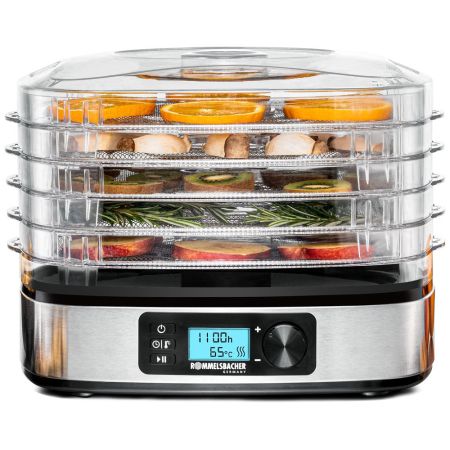
At its core, a food dehydrator is a clever kitchen appliance designed to remove moisture from food. It does this by circulating low heat and consistent airflow, transforming fresh ingredients into shelf-stable, concentrated versions of themselves. Think about it like this: when you remove the water, you effectively stop the growth of bacteria, yeasts, and molds that cause spoilage. This simple process has monumental benefits for your home and your health.
Why do you need one? For starters, it’s a brilliant way to save money. Bought too many apples on sale? Dehydrate them into crisp apple chips. Garden overflowing with zucchini? Turn it into healthy snacks. Beyond cost savings, dehydrating allows you to create incredibly healthy, additive-free snacks. No more obscure ingredients or excessive sugars found in store-bought options. Plus, it significantly reduces food waste, giving every ripe fruit or vegetable a second life. It’s a practical, eco-conscious, and delicious way to manage your food.
Navigating the Market: Choosing the Best Budget Food Dehydrator
So, you’re convinced. But with so many options, how do you pinpoint the best budget food dehydrator? It’s all about focusing on essential features that offer the most bang for your buck.
When hunting for an affordable model, prioritize these key aspects:
- Adjustable Thermostat: This is crucial. Different foods require different temperatures for optimal drying. A range of at least 95°F to 160°F will give you the versatility you need. Avoid models with only one “on/off” setting.
- Adequate Wattage: Look for something in the 400-600 watt range for efficient drying times. Lower wattage might mean longer drying, increasing energy consumption over time.
- Sufficient Tray Capacity: Most budget dehydrators come with 4-5 stackable trays. This is usually plenty for a family or small-batch preservation. Consider expansion options if you anticipate needing more capacity later.
- Airflow System: Vertical airflow (heat rising from the bottom or top) is common in budget models. While horizontal airflow (fan on the back) is often praised for more even drying, many vertical airflow dehydrators perform admirably, especially if you rotate trays occasionally.
- Material Quality: While you won’t get stainless steel at a budget price, look for durable, BPA-free plastic trays and housing.
What might you compromise on? Budget dehydrators might lack a built-in timer (requiring you to monitor drying times yourself), have fewer temperature increments, or be a bit noisier than their high-end counterparts. However, these are minor trade-offs for the significant savings and health benefits they provide. Dr. Anya Sharma, a renowned food science expert, notes, “Budget dehydrators have revolutionized home food preservation, making healthy, shelf-stable ingredients accessible to everyone without a hefty initial investment.” The best budget food dehydrator empowers you to preserve, snack, and save smarter.
Getting Started: A Basic Guide to Using Your New Dehydrator
Don’t let the idea of dehydrating intimidate you; it’s surprisingly simple. Once you’ve selected your best budget food dehydrator, follow these basic steps to get started:
- Prepare Your Food: Wash all fruits and vegetables thoroughly. For many fruits, a quick pre-treatment can prevent discoloration (e.g., soaking apple slices in lemon juice for a few minutes).
- Slice Uniformly: This is key for even drying. Use a mandoline or a sharp knife to ensure all pieces are roughly the same thickness. Thin slices will dry faster.
- Arrange on Trays: Place your food in a single layer on the dehydrator trays, ensuring there’s a little space between each piece for air to circulate freely. Don’t overlap!
- Set Temperature and Time: Consult your dehydrator’s manual or a reliable recipe for recommended temperatures. Generally, fruits dry at 135°F (57°C), vegetables at 125°F (52°C), and meats for jerky at 160°F (71°C). Drying times vary widely depending on food type, thickness, and humidity.
- Check for Dryness: This is perhaps the most important step. Food is fully dehydrated when it’s leathery (for fruits like apricots), brittle (for vegetables like carrots), or crispy (for chips). There should be no moisture visible when you cut a piece open.
Always remember that patience is a virtue in dehydrating. It’s not a race, and slow, steady drying yields the best results.
Dehydrator Delights: Popular Foods and Simple Recipe Ideas
The possibilities with a food dehydrator are nearly endless! Here are some popular items and ideas to get you started with your best budget food dehydrator:
- Fruits:
- Apple Chips: Thinly slice apples, soak in lemon water for 5 minutes (optional), pat dry, and dehydrate until crispy. A perfect healthy alternative to potato chips.
- Banana Slices: Slice bananas, and dehydrate until leathery or crisp.
- Fruit Leather: Blend fruit (berries, mangoes, peaches) into a smooth purée, spread thinly on parchment-lined trays or fruit leather sheets, and dehydrate until pliable and non-sticky.
- Vegetables:
- Kale Chips: Tear kale into bite-sized pieces, toss with a little olive oil and salt, then dehydrate until crunchy.
- Dried Tomatoes: Slice tomatoes and dehydrate. Perfect for adding to soups, stews, or rehydrating for pasta sauces.
- Sweet Potato Fries: Thinly slice sweet potatoes, dehydrate until pliable, or crisp.
- Jerky: Thinly slice lean meat (beef, turkey, chicken), marinate, and dehydrate at a higher temperature until tough and chewy. A fantastic protein-packed snack.
- Herbs: Simply lay fresh herbs on trays and dehydrate until brittle. Crumble and store.
Pro Tips for Dehydration Success
To get the most out of your best budget food dehydrator, keep these tips in mind:
- Slice Uniformly: Consistency is key to ensure all pieces dry at the same rate.
- Pre-treat When Necessary: For fruits like apples or pears, a quick dip in lemon juice or a sulfuring solution can prevent browning.
- Don’t Overcrowd: Leave space between food pieces on the trays for optimal airflow.
- Rotate Trays: If your dehydrator has vertical airflow, rotating the trays from top to bottom every few hours can promote more even drying.
- Check Regularly: Monitor your food, especially towards the end of the drying cycle, to achieve the desired consistency.
Storing Your Dehydrated Treasures for Lasting Freshness
Once your food is perfectly dry, proper storage is crucial to maintain its quality and prevent spoilage. First, allow the dehydrated food to cool completely to room temperature. Storing warm food can create condensation, which leads to mold.
Next, transfer your cooled, dried food into airtight containers. Glass jars with tight-fitting lids, vacuum-sealed bags, or even heavy-duty freezer bags (squeezing out as much air as possible) work wonderfully. For optimal freshness, store your containers in a cool, dark, and dry place, such as a pantry or cupboard. This protects them from light, heat, and humidity, which can degrade the food over time. Properly stored dehydrated foods can last for months, or even up to a year or more, giving you access to healthy ingredients whenever you need them.
The Nutritional Advantage: Are Dehydrated Foods Still Healthy?
One common question is whether dehydrated foods retain their nutritional value. The answer is a resounding yes! While the process removes water, it largely concentrates the existing nutrients. You’ll find that fiber content remains intact, and minerals like potassium, magnesium, and iron are well-preserved. Many vitamins, especially those that are water-soluble like B vitamins, are also retained, though some heat-sensitive ones (like Vitamin C) might be reduced slightly, depending on the food and drying temperature.
In essence, you’re getting a concentrated dose of the original food’s goodness. Dehydrated fruits and vegetables make for incredibly nutrient-dense snacks that are free from added sugars, salts, or preservatives often found in commercial alternatives. They are a powerhouse of energy and an excellent way to boost your daily intake of fruits and vegetables, making your best budget food dehydrator an investment in your health.
Dehydration vs. Other Preservation Methods: A Clear Winner?
When it comes to food preservation, you have several options: freezing, canning, pickling, and, of course, dehydrating. Each has its merits, but dehydration often stands out as a clear winner for certain applications, particularly with the help of the best budget food dehydrator.
- Freezing: Excellent for many foods, but it requires significant freezer space and constant energy consumption. Power outages can lead to spoilage.
- Canning: A great method, but it can be labor-intensive, requires specialized equipment (jars, canners), and often involves adding sugars or salts.
- Pickling: Transforms the flavor of food, often adding considerable sodium or sugar. It’s not suitable for all food types.
Dehydration offers unique advantages:
- Space-Saving: Dehydrated foods shrink considerably, taking up minimal storage space compared to frozen or canned goods.
- Lightweight: Perfect for backpacking, camping, or emergency preparedness kits.
- No Additives: You maintain complete control over what goes into your food, avoiding unwanted preservatives, sugars, or salts.
- Shelf-Stable: Once dried and properly stored, these foods require no refrigeration and have a long shelf life.
- Energy Efficient (over time): While the dehydrator uses electricity, the long-term energy savings from not continually freezing or re-purchasing can be substantial.
For those looking for a versatile, healthy, and cost-effective method to preserve food, especially with a focus on natural ingredients, leveraging the best budget food dehydrator is an outstanding choice.
Frequently Asked Questions About Budget Food Dehydrators
How much does a good budget food dehydrator cost?
A good budget food dehydrator typically ranges from $40 to $80, offering essential features like adjustable temperature and multiple trays without unnecessary frills.
What is the most important feature to look for in an affordable dehydrator?
An adjustable thermostat is arguably the most crucial feature, as it allows you to control the drying temperature for various foods, ensuring optimal results and preventing spoilage or over-drying.
Can I make jerky in a budget dehydrator?
Absolutely! Many budget food dehydrators are perfectly capable of making delicious jerky, provided they can reach and maintain the necessary temperature of around 160°F (71°C) for meat safety.
How long do dehydrated foods last?
Properly dehydrated and stored foods can last anywhere from several months to over a year, especially when kept in airtight containers in a cool, dark, and dry place.
Is it energy efficient to use a food dehydrator?
While a dehydrator uses electricity, the overall energy cost is often less than continually running a freezer for the same volume of food. Plus, the savings from preserving seasonal produce can offset the energy expense.
Are there any foods I shouldn’t dehydrate?
Foods with a very high-fat content (like avocados or fatty meats) tend to go rancid quickly even after dehydrating. Also, foods with extremely high water content and delicate structures, like lettuce, often don’t dehydrate well.
Conclusion
Embracing the world of food dehydration with the best budget food dehydrator is a smart move for anyone looking to save money, eat healthier, and reduce food waste. It’s an empowering tool that puts you in control of your pantry, allowing you to transform seasonal gluts into year-round delights. Don’t let the price tag deter you; accessible, efficient models are out there, ready to unlock a new realm of culinary possibilities. So, take the leap, explore the endless recipes, and discover the satisfying joy of homemade, naturally preserved foods. Your kitchen, your health, and your wallet will thank you.