Ever dreamt of a kitchen gadget that not only saves your harvest but also helps you whip up deliciously healthy snacks? A food dehydrator is exactly that – a game-changer for anyone looking to preserve food naturally, reduce waste, and enjoy wholesome treats. If you’re searching for the Best Buy Food Dehydrator, you’re on the right track to transforming your pantry and snack habits. This guide will walk you through everything you need to know to make an informed decision, ensuring you find a food dehydrator that fits your lifestyle perfectly.
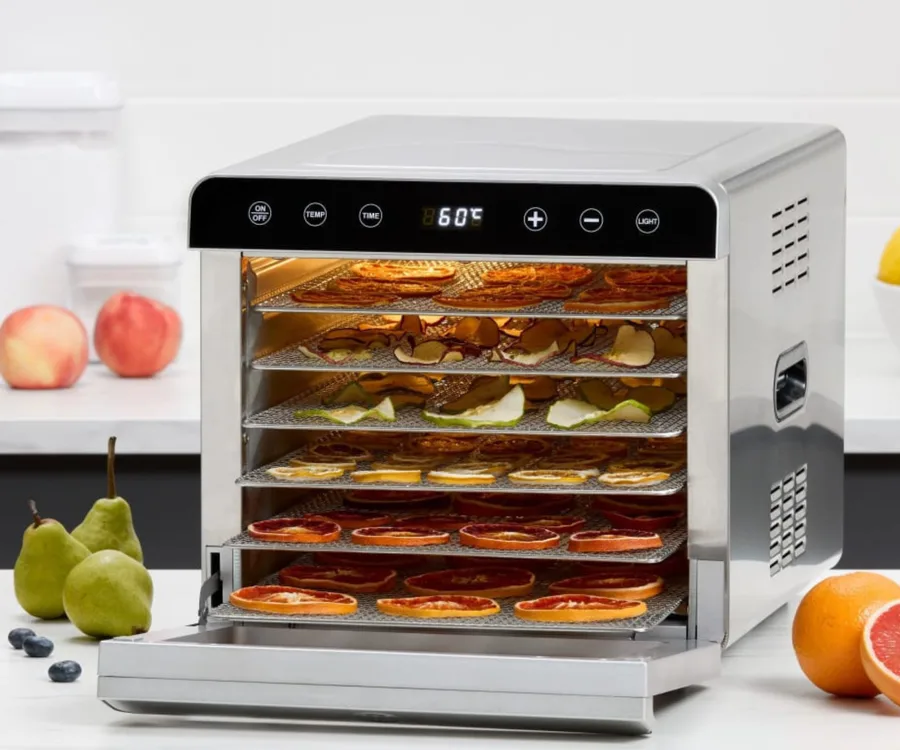
What Exactly is a Food Dehydrator, and Why Should You Get One?
At its core, a food dehydrator is a simple yet incredibly effective appliance designed to remove moisture from food. By circulating warm, dry air, it slowly evaporates water content, leaving behind concentrated flavors and significantly extending shelf life. Think of it as controlled sun-drying, but faster, more hygienic, and entirely independent of the weather.
The benefits of owning a food dehydrator are manifold. First, it’s a fantastic way to preserve your garden’s bounty or take advantage of seasonal sales, turning perishable produce into shelf-stable staples. Secondly, it empowers you to create your own healthy snacks, free from the added sugars, salts, and preservatives often found in store-bought options. Imagine homemade beef jerky, chewy fruit leather, or crispy vegetable chips – all customized to your taste. Plus, dehydrated foods take up far less storage space than their fresh or canned counterparts, making them ideal for small kitchens or emergency food kits. It’s an investment that pays dividends in health, savings, and culinary creativity.
Navigating Your Choices: Types of Food Dehydrators and What to Look For
When you’re looking for the best buy food dehydrator, understanding the different types and key features is crucial. Dehydrators generally fall into two main categories based on their airflow design.
Horizontal vs. Vertical Airflow: Which One’s Right for You?
Vertical Airflow Dehydrators typically have a fan located at the top or bottom of the unit. These are often more compact and budget-friendly. However, a bottom-mounted fan can sometimes make cleaning a bit trickier if liquids drip, and may require tray rotation for even drying. A top-mounted fan avoids the drip issue but might still necessitate rotation.
Horizontal Airflow Dehydrators, on the other hand, feature a fan at the back or side, akin to a convection oven. According to Dr. Elizabeth L. Andress, a professor emerita and extension food safety specialist at the University of Georgia, horizontal flow models offer advantages like “reduced flavor mixture so several different foods can be dried at one time, all trays receive equal heat exposure, and juices or liquids do not drip down into the heating element.” This design often leads to more consistent drying without the need for tray rotation, making them a popular choice for serious dehydrators, though they tend to be larger and can be pricier.
Key Features That Make a Difference
Beyond airflow, several features contribute to finding the best buy food dehydrator:
- Capacity & Number of Trays: Consider how much food you plan to dehydrate. Large machines with numerous trays are excellent for processing big harvests, while smaller, more compact units are perfect for herbs or small batches of snacks. Some models are expandable, allowing you to add more trays as needed.
- Temperature Control & Timer: A good dehydrator offers a range of temperature settings. Different foods require specific temperatures; for instance, jerky needs around 130-140°F (or up to 150°F for safety), while herbs dry best between 95-115°F. A built-in timer with an automatic shut-off feature is invaluable, preventing over-drying, especially if you dehydrate overnight.
- Material (Plastic vs. Stainless Steel): Most vertical dehydrators use BPA-free plastic trays, which are lightweight and versatile. Horizontal models often feature stainless steel trays, known for their durability and aesthetic appeal, though they generally come with a higher price tag.
- Noise Level: Dehydrators run for hours, so a quiet model is a significant plus, especially in an open-concept living space. Some brands actively market “silent” dehydrators, though “quieter” is often a more accurate description.
- Ease of Cleaning: Dishwasher-safe trays and a drip tray can make cleanup a breeze. Consider how easily components can be removed and cleaned.
- Included Accessories: Mesh screens are great for small items like herbs, and fruit leather trays are essential for making fruit rolls. Check if these are included or need to be purchased separately.
Your First Steps: Basic Food Dehydrator Usage Guide
Using a food dehydrator is quite straightforward, even for beginners. Here’s a basic rundown:
- Preparation is Key: Start with fresh, ripe produce. Wash your food thoroughly.
- Slice Evenly: Uniform thickness is crucial for consistent drying. A mandoline slicer can be a fantastic tool for achieving perfectly even fruit and vegetable slices. For meats, partially freezing them before slicing can make the job easier. Remove stems from herbs.
- Optional Pre-treatment: Some fruits benefit from pre-treatment (like lemon juice baths) to prevent browning and preserve color.
- Load the Trays: Arrange your food in a single layer on the trays, ensuring adequate space for air circulation. Avoid overcrowding.
- Set Temperature and Time: Refer to your dehydrator’s manual or reliable online guides for recommended temperatures and drying times for specific foods.
- Monitor Progress: Check your food periodically. You may need to rotate trays or remove pieces that finish drying sooner than others to ensure even results.
Delectable Delights: Foods You Can Dehydrate and Recipe Ideas
The versatility of a food dehydrator is astounding. You can transform a wide array of foods into delicious, portable, and healthy snacks.
Fruits
From sweet apple slices to vibrant banana chips, dehydrated fruits are natural energy boosters. You can also create your own fruit leather using pureed fruit – a fantastic treat for kids and adults alike. Try strawberries, peaches, or even mixed berry blends.
Vegetables
Dried vegetables like kale chips, carrot chips, and zucchini slices make crunchy, savory snacks. Dehydrated tomatoes can be rehydrated for sauces or ground into a versatile tomato powder.
Meats
Beef jerky is a classic dehydrator staple. Ensure your dehydrator can reach at least 150°F for safe meat drying to keep potential pathogens at bay. Experiment with different marinades for unique flavors.
Herbs
Preserving fresh herbs is incredibly easy with a dehydrator. You can dry basil, oregano, parsley, and more, retaining their aromatic qualities for year-round culinary enjoyment.
Pro Tips for Efficient Dehydration
Getting the most out of your food dehydrator means understanding a few tricks of the trade:
- Slice Consistently: As mentioned, even slicing ensures everything dries at roughly the same rate. This is perhaps the most important tip for achieving uniform results.
- Don’t Overcrowd: Give your food room to breathe! Overlapping pieces or packed trays will lead to uneven drying and potentially longer drying times.
- Rotate Trays (if needed): If you have a vertical airflow model, rotating trays from top to bottom or front to back can help compensate for slight temperature variations within the unit.
- Pre-treat for Best Results: For fruits prone to browning, a quick dip in an ascorbic acid (Vitamin C) solution or lemon juice can maintain their appealing color.
Storing Your Dehydrated Treasures Correctly
Proper storage is crucial to maximize the shelf life of your dehydrated foods. The National Center for Home Food Preservation suggests storing dried foods for an average of four months to one year, depending on factors like residual moisture and storage method.
Completely crisp, dry foods can be stored in airtight containers at room temperature for a short period. For long-term preservation, portion them into serving or recipe sizes and store them in the refrigerator or freezer. Vacuum sealing is an excellent method for keeping air out and significantly extending shelf life. For flexible foods like jerky or fruit leather that retain some moisture, refrigeration is generally recommended unless the recipe specifies otherwise.
The Nutritional Powerhouse: Unlocking the Value of Dehydrated Foods
One of the often-overlooked advantages of food dehydration is its impact on nutrition. While some heat-sensitive vitamins can be reduced, many vital nutrients are retained. The process removes water, not essential vitamins and minerals, meaning you get a concentrated burst of flavor and nutrition in every bite. This makes dehydrated fruits and vegetables fantastic for boosting your daily nutrient intake, especially when fresh produce is out of season or expensive.
Dehydrating vs. Other Preservation Methods: A Quick Comparison
While canning and freezing are excellent preservation methods, dehydrating offers unique advantages. It significantly reduces food volume, making storage incredibly efficient. Unlike freezing, there’s no risk of freezer burn, and unlike canning, it doesn’t require high heat that can alter textures.
It’s also worth noting the difference between a food dehydrator and a freeze dryer. A dehydrator uses warm air to remove moisture, while a freeze dryer employs a more complex process involving freezing and a vacuum to remove ice directly. Freeze-dried foods generally retain more nutrients and have an even longer shelf life, but freeze-drying machines are substantially more expensive. For most home users, a food dehydrator offers an ideal balance of cost, convenience, and effectiveness.
Frequently Asked Questions
Q: How long does dehydrated food last?
A: Dehydrated foods can typically last from four months to a year when stored correctly in airtight containers in a cool, dark place. Foods that retain more moisture, like fruit leathers, have a shorter shelf life than fully dry, crisp items.
Q: Can I dehydrate fatty foods?
A: Generally, fatty foods such as cheese, eggs, nuts, and avocados do not dehydrate well. The oils in these foods can go rancid quickly, even after dehydration, so it’s best to avoid them.
Q: What temperature is best for dehydrating?
A: A common recommendation is 140°F, as it dries foods efficiently without scorching. For meats like jerky, a temperature of 150°F is often advised to ensure food safety. Herbs, on the other hand, benefit from lower temperatures, typically between 95-115°F.
Q: How do I ensure even drying?
A: The key to even drying is consistent slicing and proper spacing of food on the trays. If your dehydrator has a vertical airflow system, rotating the trays periodically can also help ensure all pieces dry uniformly.
Q: Can I use my oven instead of a food dehydrator?
A: Yes, you can use a standard oven if it can maintain very low temperatures (ideally below 200°F). You’ll need to prop the oven door open slightly to allow moisture to escape and monitor your food closely, as it’s not as efficient or controlled as a dedicated dehydrator.
The Best Buy Food Dehydrator for Your Kitchen Awaits!
Investing in the best buy food dehydrator is a step towards a healthier, more sustainable, and exciting culinary journey. Whether you’re a seasoned gardener, a health-conscious parent, or simply someone who loves delicious, homemade snacks, a food dehydrator opens up a world of possibilities. With the right knowledge, choosing the perfect model becomes less about “which one is the most expensive” and more about “which one best fits my needs.” So go ahead, explore the options, and get ready to experience the satisfying crunch and rich flavor of perfectly preserved food. Your kitchen (and your taste buds) will thank you!