Making your own jerky at home is incredibly satisfying, offering a savory, protein-packed snack that’s perfectly customized to your taste. But for truly exceptional jerky, you need the right tool: a dedicated food dehydrator. It’s not just about drying meat; it’s about achieving that ideal texture, preserving nutrients, and ensuring food safety. If you’re serious about your jerky game, investing in the Best Food Dehydrator For Jerky can transform your kitchen into a jerky-making powerhouse, opening up a world of delicious possibilities.
What is a Food Dehydrator and Why It’s Perfect for Jerky?
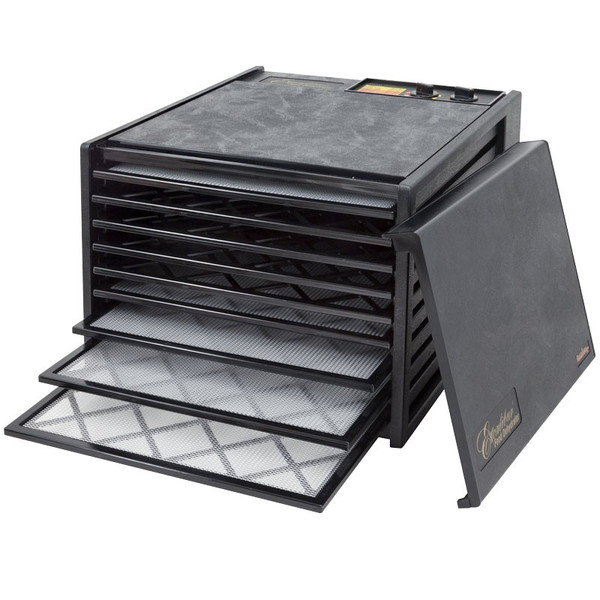
A food dehydrator is an appliance specifically designed to remove moisture from food, effectively extending its shelf life while concentrating its flavors and nutrients. It works by circulating warm, dry air around your food at a consistent, low temperature, evaporating water content without “cooking” it. This process inhibits the growth of bacteria, yeasts, and molds, making your food shelf-stable and delicious for much longer.
For jerky enthusiasts, a dehydrator is nothing short of revolutionary. Unlike conventional ovens which often struggle to maintain the precise low temperatures and adequate airflow needed, a good dehydrator provides a controlled environment that is ideal for meat. This means more consistent results, safer food, and that characteristic chewy-yet-firm texture that defines great jerky. Imagine transforming lean cuts of beef, venison, or even poultry into gourmet snacks right in your own home – that’s the power of a quality food dehydrator.
Key Features to Look For in the Best Food Dehydrator for Jerky
Choosing the right dehydrator can feel a bit overwhelming with so many options out there. But when your main goal is jerky, certain features become non-negotiable.
Temperature Control: Hitting the Sweet Spot for Safety
What is the ideal temperature for making jerky in a dehydrator?
For food safety, especially when dealing with meat, your dehydrator must be able to reach and maintain an internal temperature of at least 160°F (71°C) to kill any potential bacteria. The best food dehydrator for jerky will offer a precise, adjustable thermostat that allows you to set temperatures up to 160°F or even 165°F, ensuring your jerky is not only perfectly dried but also safe to eat. Look for models with digital controls for accuracy.
Airflow Systems: Horizontal vs. Vertical
When it comes to airflow, you’ll typically find two types: horizontal and vertical.
Is horizontal or vertical airflow better for jerky?
Horizontal airflow dehydrators, which have a fan mounted at the back, are generally considered superior for jerky. They distribute heat and air more evenly across all trays, reducing the need to rotate trays during the drying process and leading to more consistent results. Vertical airflow models, with fans at the top or bottom, can sometimes create hot or cold spots, potentially leading to unevenly dried jerky.
Capacity: Batch Size Matters
If you’re planning to make jerky regularly or in larger batches, the capacity of your dehydrator is a significant factor. Dehydrators come with varying numbers of trays and overall drying space. Consider how much meat you typically want to process at once. Models with 6 to 10 or more trays are common, and some are expandable. Stainless steel trays are often preferred for their durability and ease of cleaning, especially after handling meat.
Timer and Auto Shut-off: Convenience at Your Fingertips
Drying jerky is a marathon, not a sprint, often requiring several hours. A built-in timer with an automatic shut-off function is a game-changer. This allows you to “set it and forget it,” preventing over-drying and letting you dehydrate overnight or while you’re away from home. It’s a small feature that makes a huge difference in convenience.
Durable Materials and Easy Cleaning
Meat can be messy, and jerky making involves marinades and sometimes fats (though lean cuts are best!). Look for dehydrators with durable construction, ideally featuring stainless steel components which are robust, hygienic, and easy to clean. Dishwasher-safe trays are a huge bonus, simplifying cleanup after a successful batch.
Noise Level: Keep the Peace
Dehydrators run for extended periods, so a quiet operation can be a significant advantage, especially if it’s running in your kitchen or a shared living space. Some brands prioritize quieter fans, which can make the dehydrating experience much more pleasant.
Top Contenders: A Look at the Best Jerky Dehydrators
While specific recommendations can vary, certain brands and models consistently receive high praise from jerky makers for their performance and features. Brands like Excalibur are often considered the “gold standard” for serious dehydrating, known for their large capacity, horizontal airflow, and robust construction. Cosori models are frequently lauded for their excellent value, quiet operation, and sleek design, making them a popular choice for home users. Nesco Snackmaster Pro is a versatile option, often praised for its expandability and affordability, while Magic Mill offers a good balance of features and capacity. When selecting, prioritize the features that align best with your jerky-making volume and preferences.
How to Make Perfect Jerky with Your Food Dehydrator: A Step-by-Step Guide
Making delicious jerky is an art, but with the right dehydrator and a few simple steps, you’ll be a master in no time.
Choosing and Preparing Your Meat
What are the best meats to use for homemade jerky?
The best jerky starts with the right meat. Always opt for lean cuts of meat, such as top round, eye of round, or even venison. Fat doesn’t dehydrate well and can go rancid, spoiling your jerky. Trim off all visible fat before you begin. For slicing, partially freezing your meat for about an hour beforehand can make it much firmer and easier to slice uniformly. Slice against the grain for a more tender chew, aiming for a consistent thickness of about 1/8 to 1/4 inch. This ensures even drying.
Marinating for Flavor
Marinating is where the magic happens, infusing your meat with incredible flavor. Use your favorite jerky marinade, covering the meat evenly. Marinate in the refrigerator for 6 to 24 hours, depending on the desired intensity of flavor. Before loading into the dehydrator, pat the marinated meat strips thoroughly dry with paper towels. Removing excess liquid speeds up the drying process and prevents steaming.
Loading the Dehydrator for Optimal Airflow
Lay your marinated and patted-dry meat strips on the dehydrator trays in a single, non-overlapping layer. Ensure there’s enough space between each piece to allow for proper air circulation. Overcrowding can lead to uneven drying and longer dehydration times.
Setting the Right Temperature and Time
How long does it typically take to dehydrate jerky?
Set your dehydrator to 160-165°F (71-74°C). The drying time can vary significantly based on the thickness of your meat, the moisture content, the humidity in your environment, and your dehydrator’s efficiency. Generally, jerky takes anywhere from 3 to 12 hours. Begin checking at the 3-hour mark, and then every 30 minutes to an hour after that until your jerky reaches the desired doneness.
How do I know when my jerky is perfectly done?
Perfectly dried jerky should be pliable but not brittle. It should bend and crack slightly but not break apart completely. There should be no moisture visible when you tear a piece in half.
Beyond Beef: Other Jerky Possibilities
Can I make different types of jerky in the same dehydrator?
Absolutely! While beef jerky is a classic, your dehydrator is incredibly versatile. You can make delicious jerky from a variety of lean meats, including venison, turkey breast, chicken breast, and even fish like salmon or tuna. The preparation and drying principles remain largely the same, focusing on lean cuts, proper slicing, and adequate drying temperatures.
Storing Your Homemade Jerky for Lasting Freshness
How should I store homemade jerky?
Once your jerky is perfectly dried, allow it to cool completely to room temperature before storing. This prevents condensation and spoilage. For short-term storage (up to 7-10 days), airtight containers or zip-top bags work well. For longer-term preservation, vacuum sealing with oxygen absorbers is highly recommended; this can keep your jerky fresh for several months, making it an ideal snack for camping, hiking, or just stocking your pantry.
Nutritional Value of Dehydrated Jerky
Homemade jerky is a fantastic source of lean protein, making it an excellent snack for athletes, hikers, or anyone looking for a healthy boost. When prepared correctly with lean meats and minimal added sugars, it’s low in fat and packed with essential nutrients, making it a much healthier alternative to many store-bought snacks.
Food Dehydrators vs. Other Methods: Why Dehydrate?
While you might be tempted to use your oven or even a smoker for jerky, a dedicated food dehydrator offers distinct advantages. Most ovens struggle to maintain the consistently low temperatures required for safe and effective dehydration, often “cooking” the meat rather than drying it. Ovens also tend to trap moisture, which is the opposite of what you want for jerky. Smokers can impart a wonderful flavor but typically operate at temperatures too low to meet the FDA’s safety recommendations for meat without additional processing, or too high, again, cooking the meat. A dehydrator provides the precise temperature control and optimal airflow needed to remove moisture evenly and safely, giving you superior results every time.
Expert Insight
“The beauty of a modern food dehydrator lies in its precision,” says Dr. Anya Sharma, a renowned food science and preservation specialist. “For jerky, maintaining that exact 160°F internal temperature is critical for safety, while consistent airflow is key to achieving the perfect texture without case hardening. A good dehydrator makes this process foolproof, giving home cooks professional-grade results.”
FAQ
Q1: What is the ideal temperature for making jerky in a dehydrator?
A: The ideal temperature for making jerky in a dehydrator is typically between 160°F and 165°F (71-74°C) to ensure any bacteria are killed, making the jerky safe to consume.
Q2: How long does it typically take to dehydrate jerky?
A: Dehydrating jerky usually takes between 3 to 12 hours, depending on factors such as meat thickness, moisture content, ambient humidity, and the specific dehydrator model.
Q3: Can I make different types of jerky in the same dehydrator?
A: Yes, you can make various types of jerky, including beef, venison, turkey, and fish, in the same dehydrator, provided you follow proper hygiene and preparation guidelines for each meat type.
Q4: Is horizontal or vertical airflow better for jerky?
A: Horizontal airflow, where the fan is mounted at the back, is generally considered better for jerky as it provides more even heat and air distribution across all trays, minimizing the need for tray rotation.
Q5: How do I know when my jerky is perfectly done?
A: Your jerky is perfectly done when it’s pliable and can bend and crack without breaking. When torn, no moisture should be visible in the center.
Q6: What are the best meats to use for homemade jerky?
A: The best meats for homemade jerky are lean cuts with minimal fat, such as top round, eye of round, venison, turkey breast, or chicken breast.
Q7: How should I store homemade jerky?
A: After cooling completely, store homemade jerky in airtight containers or zip-top bags for up to a week. For longer storage, vacuum seal it with oxygen absorbers to maintain freshness for several months.
Embrace the Art of Jerky Making
Choosing the best food dehydrator for jerky is more than just buying an appliance; it’s an investment in delicious, healthy, and safely preserved food. With the right dehydrator, you gain the freedom to experiment with flavors, control ingredients, and always have a wholesome snack at your fingertips. So go ahead, explore the possibilities, and enjoy the incredibly rewarding experience of making your own gourmet jerky at home. Your taste buds (and your adventurous spirit) will thank you!