Imagine a pantry filled with delicious, healthy snacks, vibrant herbs, and savory jerky, all made right in your kitchen. That’s the magic a high-quality food dehydrator brings to your home. In a world increasingly focused on healthy eating and sustainable living, a Best Rated Food Dehydrator isn’t just a gadget; it’s a game-changer, empowering you to preserve nature’s bounty and enjoy wholesome treats free from artificial additives. If you’re ready to dive into the rewarding world of food preservation, choosing the right appliance is your first crucial step.
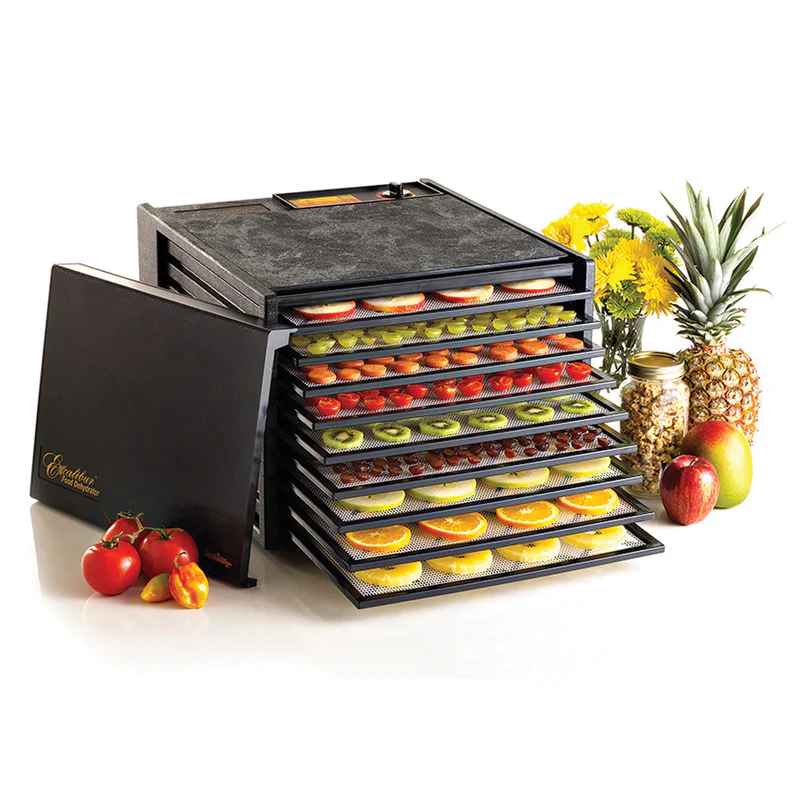
What is a Food Dehydrator and Why You Need a Best Rated One?
At its core, a food dehydrator is an appliance designed to gently remove moisture from food through consistent low heat and airflow. This process effectively inhibits the growth of bacteria, mold, and yeast, extending shelf life without cooking the food. The result? Concentrated flavors, preserved nutrients, and incredibly versatile ingredients.
Why settle for anything less than a best rated food dehydrator? Simply put, a top-tier model ensures efficiency, durability, and most importantly, consistent, delicious results every single time. It means less fuss, fewer wasted batches, and more joy from your homemade dehydrated goods. From transforming garden surpluses into year-round delights to crafting custom healthy snacks for your family, a reliable dehydrator becomes an indispensable kitchen ally.
Key Features That Define a Best Rated Food Dehydrator
When scouting for the crème de la crème of food dehydrators, several features stand out, distinguishing the good from the truly great. Understanding these will help you pinpoint the perfect match for your culinary adventures.
Airflow: Horizontal vs. Vertical
The way air circulates within the dehydrator is a critical factor for even drying.
- Horizontal Airflow (Rear-Mounted Fan): These models feature a fan at the back, pushing air across all trays horizontally. This design typically offers the most consistent drying, reducing the need for tray rotation and preventing flavor mixing when drying different foods simultaneously. They are often preferred for items like fruit leather and jerky, where even drying is paramount.
- Vertical Airflow (Bottom or Top-Mounted Fan): Found in many stackable dehydrators, the fan is positioned at the base or on the lid, sending air upwards through the trays. While often more budget-friendly and compact, vertical airflow can sometimes lead to less even drying, requiring manual tray rotation for optimal results.
Adjustable Thermostat and Timer
A best rated food dehydrator offers precise control over temperature. Different foods require varying heat settings—delicate herbs might need around 90-100°F (32-38°C), while meats for jerky might demand 145-160°F (63-71°C) for food safety. An adjustable thermostat is non-negotiable for versatility and preventing accidental cooking. Equally important is a programmable timer with an automatic shut-off feature, allowing you to set it and forget it, even overnight, without worrying about over-drying.
Capacity and Expandability
Consider how much food you plan to dehydrate at once. Dehydrators come with a range of tray counts and overall drying areas. For occasional small batches, a compact model might suffice. However, if you’re preserving a bountiful harvest or making large quantities of jerky, a larger capacity or an expandable model (where you can add more trays) will be invaluable, saving you time and energy.
Tray Material and Design
Trays are where the magic happens.
- Plastic vs. Stainless Steel: Plastic trays are common and lighter, while stainless steel options offer greater durability, are often BPA-free, and convey a premium feel.
- Stackable vs. Slide-Out: Stackable trays require lifting to access lower layers, while slide-out trays (like oven racks) in box-style dehydrators make checking and rotating food effortless.
- Ease of Cleaning: Look for non-stick surfaces and, ideally, dishwasher-safe trays. Messier foods like marinaded jerky or sticky fruit leathers can make cleaning a chore if trays aren’t designed for easy wash-up.
Wattage
While not the sole indicator of performance, a dehydrator with at least 500 watts generally ensures efficient and faster drying. Higher wattage translates to more powerful heating elements and fans, which helps maintain consistent temperatures and circulates air effectively.
Noise Level
Dehydrating can take hours, so a noisy appliance can be a significant drawback. Many top models prioritize quiet operation, a welcome feature for machines that might run overnight or in open-plan living spaces.
Ease of Use and Cleaning
Intuitive digital controls, clear instructions, and minimal fiddling are hallmarks of a best rated food dehydrator. Similarly, easy-to-clean components—such as non-stick trays or crumb trays that catch drips—make the overall experience more enjoyable.
Types of Best Rated Food Dehydrators and How to Choose
Understanding the two primary designs will guide your purchase.
Stackable Dehydrators
These are typically round units where trays stack on top of each other, with the heating element and fan usually at the bottom or top.
- Pros: Often more affordable, compact, and expandable by adding more trays.
- Cons: Vertical airflow can lead to uneven drying, requiring tray rotation; accessing lower trays means unstacking others.
Box/Shelf Dehydrators
Resembling a small oven with a door, these have trays that slide in and out horizontally.
- Pros: Generally offer superior, more even drying due to horizontal airflow; trays are easy to access for checking or rotating food; often come with more precise controls.
- Cons: Typically more expensive and take up more counter space; not usually expandable beyond their fixed tray capacity.
How to Choose: Consider your primary dehydrating goals. Are you a beginner wanting to experiment with small batches and prioritizing budget? A good stackable model might be perfect. Do you plan large batches, value precision, and want the best possible results for a variety of foods? A box-style dehydrator with horizontal airflow could be your ideal best rated food dehydrator. Also, always factor in your available kitchen space.
Using Your Best Rated Food Dehydrator: Basic Guide
Getting started with your new appliance is straightforward, but a few basics will ensure success.
1. Preparation is Key
Always start with fresh, ripe produce. Clean fruits and vegetables thoroughly. Slice all items to a uniform thickness; this is crucial for even drying. For fruits like apples or bananas, a quick dip in lemon juice can prevent browning.
2. Load Trays Thoughtfully
Arrange your food in a single layer on the dehydrator trays, ensuring pieces don’t touch. This allows for optimal airflow, which is essential for efficient and uniform drying. Don’t overcrowd the trays!
3. Set Temperature and Time
Consult your dehydrator’s manual or a reliable recipe guide for recommended temperatures and drying times for specific foods. Herbs dry at lower temperatures (around 95°F/35°C) than fruits (135°F/57°C) or meats (155°F/68°C). The time needed can vary greatly based on food type, thickness, and humidity.
4. Monitor and Rotate (If Needed)
Check your food periodically. If you have a vertical airflow model, rotating trays from top to bottom and front to back can help ensure even drying. Once dry, let the food cool completely before storing.
Delicious Foods to Dry and Recipe Ideas
The possibilities with a best rated food dehydrator are truly endless, opening up a world of culinary creativity.
- Fruits: Transform apples, bananas, mangoes, pineapples, and berries into chewy, sweet snacks. Make your own fruit leather by pureeing fruit and spreading it thinly on special dehydrator sheets.
- Vegetables: Create crunchy kale chips, sun-dried tomatoes, dried bell peppers, or even a mixed vegetable medley for soups and stews.
- Meats: The dehydrator is perfect for homemade beef, turkey, or venison jerky – a protein-packed snack for adventurers and busy individuals alike.
- Herbs: Preserve your garden’s bounty by drying basil, oregano, thyme, and rosemary to enjoy throughout the year.
- Other Delights: Experiment with drying mushrooms, making homemade granola, or even proofing bread dough in a low-temperature setting.
Tips and Tricks for Efficient Dehydrating
To maximize your dehydrator’s performance and ensure top-notch results:
- Slice Evenly: Uniform thickness is paramount. A mandoline can be a great tool for this.
- Pre-Treat Fruits: For fruits prone to browning (apples, pears, bananas), a quick soak in lemon juice or an ascorbic acid solution helps maintain their color.
- Don’t Overcrowd: Give each food piece space for air circulation.
- Rotate Trays: Especially with vertical airflow models, rotating trays every few hours helps achieve more uniform dryness.
- Use Mesh Screens: For smaller items like herbs or to prevent sticky fruit from adhering to trays, mesh screens or non-stick sheets are invaluable.
Storing Your Dehydrated Treasures
Proper storage is crucial to maintaining the quality and extending the shelf life of your dehydrated foods. Once completely cool, store them in airtight containers (jars, vacuum-sealed bags) in a cool, dark, and dry place. For optimal results, “condition” your dried food by checking it daily for a week to ensure no residual moisture exists, which could lead to spoilage.
The Nutritional Value of Dehydrated Foods
One of the most compelling advantages of a best rated food dehydrator is its ability to create healthier alternatives to many store-bought snacks. Dehydrating at low temperatures retains a significant portion of the food’s natural vitamins, minerals, and enzymes. Unlike commercial options often loaded with added sugars, salts, and preservatives, your homemade dried foods offer concentrated flavor and nutrition in its purest form. As Dr. Eleanor Vance, a leading food science and preservation specialist, aptly puts it, “A truly best-rated food dehydrator isn’t just about drying; it’s about unlocking a new dimension of flavor, nutrition, and sustainable living in your kitchen.”
Food Dehydrators vs. Other Preservation Methods
Compared to canning, freezing, or pickling, dehydrating offers unique benefits. It significantly reduces food volume, making storage incredibly efficient, and results in distinct textures and intensified flavors. Unlike high-heat canning, dehydration preserves sensitive nutrients. While ovens can be used for drying at low temperatures, a dedicated food dehydrator offers much more precise and consistent temperature control, better airflow, and superior energy efficiency, ensuring your food dries rather than cooks.
Frequently Asked Questions About Food Dehydrators
How long does dehydrating food typically take?
Drying times vary widely depending on the food type, thickness, and moisture content, as well as the dehydrator model and ambient humidity. It can range from a few hours for herbs to 10-18 hours or more for thicker fruits or jerky.
Can I mix different types of food in one batch?
While technically possible, it’s generally not recommended for optimal results, especially with vertical airflow models. Flavors can transfer between foods, and different items require different temperatures and drying times. If you must mix, group foods with similar drying requirements.
How do I know if my food is fully dry?
Dried fruits should be pliable but not sticky, and leathery. Vegetables should be brittle or crispy. Meats for jerky should be tough and leathery, but not crumbly, and should not show any signs of moisture when bent.
Are food dehydrators noisy?
Many modern food dehydrators are designed to be relatively quiet, but they all produce some level of fan noise. If noise is a major concern, look for models specifically advertised as “quiet” or “low-noise.”
Are dehydrated foods truly healthier than fresh?
Dehydrated foods retain most of their nutritional value, concentrating nutrients and fiber. They are a healthy alternative to processed snacks, as they typically contain no added sugars, salts, or preservatives.
How do I clean my food dehydrator?
Always unplug your dehydrator before cleaning. Trays can usually be hand-washed with warm, soapy water; many are also top-rack dishwasher safe. Wipe down the base and heating element area with a damp cloth, avoiding getting water into electrical components. For sticky residues, a pre-soak can help.
A Healthier, Flavorful Future Awaits
Investing in a best rated food dehydrator is more than just buying another kitchen appliance; it’s an investment in a lifestyle of healthier eating, reduced waste, and culinary exploration. With the ability to transform fresh ingredients into long-lasting, nutrient-dense snacks and meal components, your dehydrator will quickly become one of the most valued tools in your kitchen. So, take the plunge, experiment with different foods, and savor the concentrated flavors and benefits that a top-quality food dehydrator brings to your table. Your taste buds, your health, and your wallet will thank you.