Ever thought about diving into the wonderful world of food preservation but felt overwhelmed by bulky appliances and complicated processes? You’re not alone! Many aspiring home chefs and snack enthusiasts believe that dehydrating food requires a massive machine, tons of space, and expert knowledge. But what if I told you there’s a game-changer that fits right into your lifestyle, whether you live in a cozy apartment or have limited kitchen real estate? Enter the Compact Food Dehydrator – your new best friend for creating delicious, healthy, and perfectly preserved snacks without the fuss.
These clever little machines are designed to make food dehydration accessible to everyone. Imagine whipping up your own fruit leathers, beef jerky, or dried herbs with an appliance that tucks away neatly when not in use. A compact food dehydrator offers all the amazing benefits of traditional dehydration, scaled down for convenience and modern living. It’s about smart preservation, fresh flavors, and taking control of what goes into your food, all while saving space and money.
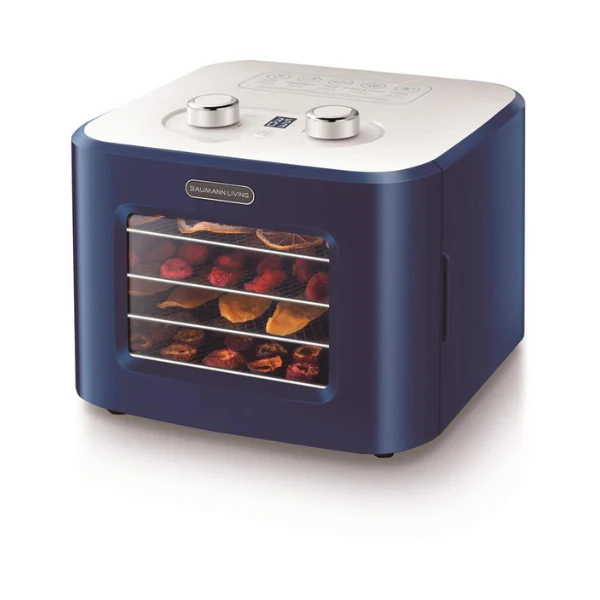
What is a Compact Food Dehydrator and Why You Need One?
At its core, a compact food dehydrator is an electric appliance that gently removes moisture from food using low heat and continuous airflow. Unlike traditional ovens that operate at much higher temperatures, dehydrators are specifically designed to dry food without cooking it, preserving its nutritional value, natural flavors, and vibrant colors. This process inhibits the growth of bacteria, yeast, and mold, significantly extending the shelf life of your favorite foods.
So, why opt for a compact model? The reasons are as practical as they are appealing:
- Space-Saving Design: This is the most obvious benefit. Compact food dehydrators are engineered to fit in smaller kitchens, on limited countertop space, or to be easily stored in a cabinet or deep drawer. Some even feature collapsible or reversible trays for ultra-compact storage.
- Cost-Effective: Making your own dehydrated snacks is often much cheaper than buying store-bought versions, which can be loaded with added sugars, preservatives, and oils. Plus, dehydrators are surprisingly energy-efficient, with some models costing as little as $0.84 to run for eight hours.
- Healthy & Natural Snacks: With a compact food dehydrator, you control every ingredient. No artificial additives, no excessive sugars – just pure, natural goodness. You can transform fresh fruits, vegetables, and lean meats into wholesome snacks that retain their vitamins, minerals, and fiber.
- Portability: Many compact models are lightweight and easy to carry, making them ideal for campers, hikers, or anyone who wants to enjoy homemade healthy snacks on the go.
- Reduced Food Waste: Got an abundance of garden produce or found a great deal on fresh fruits at the farmer’s market? A compact food dehydrator allows you to preserve these items, preventing them from spoiling and ensuring you get the most out of your groceries.
“A compact food dehydrator isn’t just an appliance; it’s an investment in your health and your pantry,” says Maria Sanchez, a renowned food preservation expert. “It empowers you to create custom snacks, reduce waste, and truly understand the journey of your food from farm to table.”
Types of Compact Food Dehydrators: Finding Your Perfect Fit
When choosing a compact food dehydrator, you’ll typically encounter two main styles, even in their smaller forms:
- Stacking (Vertical Airflow) Dehydrators: These usually have a base with a heating element and fan (either at the top or bottom) and multiple trays that stack on top of each other. Many compact models fall into this category, offering good capacity for their footprint. Some, like the Magic Mill Food Dehydrator, have trays that can be flipped for even more compact storage when not in use. While often more affordable, a potential drawback is that trays closer to the fan might dry faster, requiring rotation for even results.
- Box/Shelf (Horizontal Airflow) Dehydrators: These resemble small ovens with a fan located at the back, blowing air horizontally across trays that slide in like shelves. Even in a compact size, this design often provides more even drying and prevents flavors from mixing if you’re drying different foods simultaneously. The Brod & Taylor Sahara Folding Dehydrator is a prime example of a compact, horizontal airflow unit that uniquely collapses for storage.
Key features to look for in your compact companion:
- Adjustable Temperature Control: Different foods require different temperatures. A range of 90-170°F is ideal for versatility, allowing you to dry delicate herbs at lower settings and jerky at higher, food-safe temperatures.
- Timer and Auto-Shutoff: These features are crucial, especially for long drying times (which can be 5-10 hours or more). A timer with automatic shut-off allows you to “set it and forget it” safely, even overnight.
- BPA-Free Trays: Ensure the materials coming into contact with your food are safe. Many compact dehydrators feature BPA-free plastic trays, while some premium models offer stainless steel for durability and easy cleaning.
- Ease of Cleaning: Look for models with dishwasher-safe trays and easy-to-wipe-down bases, especially if you plan to make messy items like fruit leather or jerky.
- Noise Level: Since dehydrators run for extended periods, a quieter model is a blessing for your home environment.
- Clear Door/Trays: Being able to peek at your food’s progress without opening the unit helps maintain consistent temperature and airflow.
Getting Started: Basic Guide to Using Your Compact Food Dehydrator
Ready to embark on your dehydration journey? Using a compact food dehydrator is straightforward, even for beginners. Here’s a simple step-by-step guide:
- Preparation is Key: Start with fresh, clean produce or lean meats. Wash your ingredients thoroughly, and for meats, ensure they are cooked to the appropriate internal temperature to kill bacteria before drying.
- Slice Uniformly: Consistency is vital for even drying. Slice your food into pieces of similar thickness and size. A mandoline slicer can be incredibly helpful for fruits and vegetables, ensuring every piece dries at roughly the same rate. For jerky, partially freezing the meat can make slicing easier.
- Pretreat (Optional but Recommended): For fruits like apples or bananas, a quick dip in lemon juice or an ascorbic acid solution can prevent browning and help retain color. Blanching tougher vegetables like broccoli or carrots briefly before dehydrating can also help maintain their vibrancy.
- Season Lightly: Remember that dehydration concentrates flavors. If seasoning, use a light hand with salt, sugar, or spices, as the taste will intensify significantly.
- Arrange on Trays: Place your prepared food in a single layer on the dehydrator trays, ensuring pieces don’t overlap. Good airflow around each piece is essential for efficient and even drying. Avoid overloading the trays.
- Set Temperature and Time: Consult your dehydrator’s manual or reliable online guides for recommended temperatures and drying times for specific foods. Meats generally require higher temperatures than fruits or herbs.
- Start Dehydrating: Turn on your compact food dehydrator and let it work its magic!
- Check for Doneness: Food is typically 95% dehydrated when it’s hard, crunchy, and no longer sticky or pliable (except for fruit leathers, which remain flexible). A pro tip: place a cooled piece in a lidded glass jar; if condensation appears, it needs more drying time. Rotate trays periodically if your model doesn’t have horizontal airflow to ensure even drying.
Deliciously Dehydrated: What You Can Make in a Compact Food Dehydrator
The versatility of a compact food dehydrator is truly impressive, allowing you to create a wide array of healthy and tasty treats right in your own kitchen. You’re only limited by your imagination!
- Fruits: Transform fresh fruits like apples, bananas, mangoes, strawberries, and apricots into chewy or crispy snacks. These are fantastic for lunchboxes, hiking trips, or a healthy sweet craving.
- Vegetables: Make your own veggie chips from kale, beets, carrots, or sweet potatoes – a great alternative to fried snacks. Sun-dried tomatoes are also a popular choice, perfect for adding flavor to salads, sauces, or stews.
- Jerky: Lean meats like beef, turkey, or even fish can be turned into savory jerky. This is a favorite among hikers and those looking for high-protein snacks.
- Herbs and Spices: Preserve your garden’s bounty by drying fresh herbs like basil, oregano, thyme, or rosemary. They retain their potency and flavor far better than store-bought dried herbs.
- Fruit Leathers: A huge hit with kids and adults alike, fruit leathers are made by blending fruit puree and drying it into a flexible, rollable sheet.
- Other Delights: You can also dehydrate mushrooms for rehydrating in dishes, make your own crunchy granola, activated nuts and seeds, or even homemade pet treats without preservatives. Some people even use them to dry homemade pasta for extended shelf-life.
Remember to avoid high-fat foods like avocados, cheese, or nut butters, as the fat content can lead to spoilage instead of proper drying.
Pro Tips for Efficient Dehydrating with Your Small Dehydrator
Getting the most out of your compact food dehydrator involves a few clever tricks that can enhance efficiency and improve results:
- Consistent Slicing is King: We’ve mentioned it before, but it bears repeating: uniform slices dry evenly. Invest in a good mandoline or practice your knife skills for perfect consistency.
- Don’t Overcrowd: While tempting to maximize each batch, give your food enough space on the trays for air to circulate freely. Overlapping pieces will lead to uneven drying and longer dehydration times.
- Pre-treatment Power: For fruits, a quick soak in diluted lemon juice not only prevents browning but can also speed up drying slightly. For sturdy vegetables, blanching can help them retain color and texture.
- Rotate Trays (if needed): In vertical airflow models, trays closest to the fan might dry faster. If your compact dehydrator doesn’t have horizontal airflow, consider rotating your trays mid-cycle to ensure everything dries uniformly.
- Monitor Progress: While timers are great, always check your food manually, especially with new recipes or if it’s your first time with a new machine. Drying times can vary based on food type, thickness, and even ambient humidity.
- Cool Completely Before Storing: Rushing storage can trap residual heat, leading to condensation and potentially spoiling your dehydrated goodies. Let everything cool down to room temperature before packing.
Storing Your Dehydrated Goodies: Keeping Them Fresh
Proper storage is crucial for maintaining the quality and extending the shelf life of foods from your compact food dehydrator. Once your foods are thoroughly dried and cooled, follow these simple guidelines:
- Airtight Containers: The enemy of dehydrated food is moisture and air. Store your dried items in airtight containers like glass jars with tight-fitting lids, food-grade plastic containers, or heavy-duty freezer bags.
- Cool, Dark, Dry Place: Keep your stored foods in a pantry, cabinet, or other cool, dark, and dry environment. Exposure to light, heat, or humidity can degrade quality and shorten shelf life.
- Vacuum Sealing: For the longest possible shelf life, consider vacuum sealing your dehydrated foods. This removes almost all oxygen, significantly extending freshness. Vacuum-sealed foods can often last several years.
- Refrigeration/Freezing for Chewy Items: Foods that retain some flexibility, like fruit leathers or semi-dried fruits, still have a bit of moisture. It’s often recommended to store these in the refrigerator or freezer to prevent spoilage and extend their freshness. However, avoid storing fully dried, crisp items in the freezer, as ice crystals can form and reintroduce moisture.
- Small Portions: Package your dried foods in smaller, usable portions. This way, you only expose what you need, and the rest remains sealed and fresh.
Following these storage tips ensures that the delicious, healthy snacks you made with your compact food dehydrator will be ready to enjoy whenever you are!
Nutritional Value of Dehydrated Foods: Are They Still Healthy?
A common question people ask about using a compact food dehydrator is whether the process impacts the nutritional content of their food. Good news: dehydrated foods are generally very healthy!
- Retained Nutrients: Unlike high-heat cooking methods that can deplete some vitamins, dehydration uses low temperatures, which helps to preserve a significant amount of the original vitamins, minerals, and fiber in fruits and vegetables. In fact, dried plant-based foods retain their vitamin, mineral, and fiber content, which supports overall health. Registered dietitians confirm that dehydrated foods have the same nutritional value as their fresh counterparts; the only difference is the loss of water content makes them higher in calories by weight.
- Concentrated Flavors (and Sugars): While dehydrating concentrates flavors, it also concentrates natural sugars. This means dried fruits are calorie-dense and provide a quick energy boost. It’s important to be mindful of portion sizes, just as you would with any snack.
- No Added Preservatives: One of the biggest advantages of home dehydration is avoiding the unwanted additives, sugars, and preservatives often found in commercially dried foods. This gives you complete control over the purity of your snacks.
Dehydrating your own food is an excellent way to create nutrient-dense, natural snacks that support a healthy lifestyle.
Comparing Compact Dehydrators with Other Preservation Methods
When it comes to preserving food, a compact food dehydrator stands out in several ways compared to other common methods like canning or freezing:
- Space Efficiency: Dehydrated foods shrink significantly, often to less than one-sixth of their original size, making them incredibly space-efficient for storage in a pantry. This is a major advantage over bulky frozen items or numerous canning jars.
- No Refrigeration/Freezing Required: Once properly dried, most dehydrated foods are shelf-stable and don’t require continuous refrigeration or freezing, saving valuable energy and appliance space.
- Cost-Effectiveness: Dehydrators use minimal electricity, and there’s no ongoing cost for freezer bags, canning jars, or lids after the initial purchase. In the long run, this can be more economical than freezing or canning.
- Nutrient Retention: As discussed, the low-temperature process of dehydration helps retain many delicate nutrients better than some high-heat canning methods or prolonged freezing.
- Portability: Dehydrated foods are lightweight and compact, making them perfect for camping, hiking, or emergency preparedness kits. Canned goods are heavy, and frozen foods require constant cold.
- Simplicity: While all methods require some preparation, using a dehydrator is often seen as less complex and safer than pressure canning, especially for beginners.
Each preservation method has its place, but for ease, portability, and efficient storage, a compact food dehydrator offers unique advantages that make it an invaluable kitchen tool.
Frequently Asked Questions About Compact Food Dehydrators
Q: What is the smallest compact food dehydrator I can get?
A: Many brands offer mini or compact models. Look for those with dimensions resembling a small toaster oven or featuring collapsible trays, such as the Cosori Mini or the Magic Mill Food Dehydrator, which are designed for minimal counter space and easy storage.
Q: Are compact dehydrators as effective as larger ones?
A: Absolutely! While they have less capacity, many compact dehydrators are highly effective, offering precise temperature control and efficient airflow. They excel at drying smaller batches of food evenly and quickly.
Q: Can I make jerky in a compact food dehydrator?
A: Yes, you can. Many compact dehydrators have temperature ranges suitable for making jerky. Just ensure your model can reach temperatures of at least 150-160°F for food safety when drying meat. Always follow USDA guidelines for safe jerky preparation.
Q: How long does it take to dehydrate food in a compact machine?
A: Drying times vary based on the food type, thickness, and water content, but most foods take anywhere from 5 to 10 hours. Thinner slices and lower moisture content generally lead to faster drying.
Q: What foods should I avoid dehydrating?
A: Foods high in fat, such as avocados, cheese, eggs, and nut butters, should generally be avoided. Fat doesn’t evaporate, which can inhibit the drying process and lead to premature spoilage or rancidity.
Q: Do compact food dehydrators use a lot of electricity?
A: No, food dehydrators are generally energy-efficient, especially compared to ovens. Many models cost less than a dollar to run for an 8-hour cycle. Their low wattage and controlled heating make them a cost-effective choice for food preservation.
Embrace Smart Preservation with a Compact Food Dehydrator
So, there you have it – the wonderful world of the compact food dehydrator is ready for you to explore! This isn’t just another gadget; it’s a strategic tool for anyone looking to eat healthier, save money, reduce food waste, and enjoy the convenience of homemade, preservative-free snacks. Whether you’re a seasoned chef or a curious beginner, a compact food dehydrator fits seamlessly into any kitchen, empowering you to preserve a bounty of flavors and nutrients.
From crispy apple chips to savory beef jerky, and vibrant dried herbs to delicious fruit leathers, the possibilities are endless. Say goodbye to bulky appliances and hello to smart, efficient food preservation. Why not take the leap and discover the incredible value and versatility a compact food dehydrator can bring to your home? Your taste buds, your pantry, and your wallet will thank you!