Ever dreamt of a pantry brimming with sun-kissed fruits, savory jerky, and aromatic herbs, all preserved without a single artificial additive? Making your own Diy Food Dehydrator is your gateway to this world of natural preservation, offering a budget-friendly and deeply satisfying way to extend the bounty of your garden or local market. Forget expensive store-bought units; with a little ingenuity and some basic materials, you can craft a homemade solution that empowers you to take control of your food.
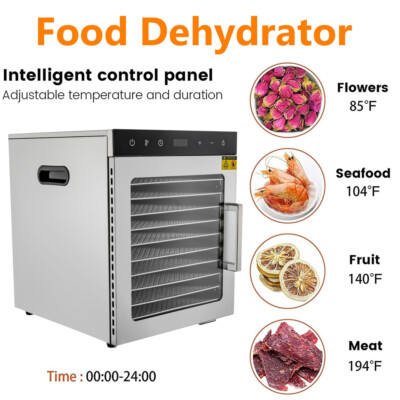
What is a Food Dehydrator and Why Go DIY?
At its core, a food dehydrator is a device that removes moisture from food through a controlled combination of low heat and consistent airflow. This process inhibits the growth of bacteria, yeasts, and molds, which are the primary culprits behind spoilage, allowing foods to be stored for extended periods without refrigeration.
So, why venture into building a diy food dehydrator when commercial options exist? The reasons are compelling:
- Cost Savings: This is often the biggest driver. By repurposing materials or using inexpensive components, you can build a functional dehydrator for a fraction of the price of a store-bought model.
- Customization: You design it to fit your space, your needs, and your aesthetic. Want more trays? A larger capacity? A specific heating method? It’s all in your hands.
- Health and Control: When you dehydrate at home, you dictate exactly what goes into your food – no hidden sugars, salts, or preservatives. You’re preserving food in its purest form.
- Eco-Friendly: Utilizing recycled materials reduces waste, and opting for a solar-powered design harnesses renewable energy, further minimizing your environmental footprint.
- Self-Sufficiency: There’s immense satisfaction in knowing you can preserve your own food, reducing reliance on external systems and fostering a deeper connection to your provisions.
This method not only extends shelf life for months or even years but also intensifies the natural flavors of your food, transforming ordinary ingredients into concentrated delights.
Types of DIY Food Dehydrators and How to Choose
The world of homemade food dehydrator designs offers various approaches, each with its own advantages. Understanding these can help you select the best path for your needs.
Solar Food Dehydrators
These ingenious devices harness the power of the sun to gently dry food. Typically, they consist of an enclosed box, often painted dark to absorb solar radiation, with a clear cover (like an old window pane) to trap heat. Vents are strategically placed to allow moist air to escape, creating a natural convection current.
- Pros: Absolutely free to operate after construction, environmentally friendly, and ideal for off-grid living or reducing energy bills.
- Cons: Drying times are entirely dependent on sunny weather, and they may not be suitable for all climates or for round-the-clock drying.
- Common Materials: Plywood, old window frames or glass, corrugated metal (painted dark for heat absorption), fine mesh screens for vents and drying racks.
Electric Fan/Light Bulb Dehydrators
For those needing more consistent results or living in less sunny regions, an electrically assisted diy food dehydrator is a fantastic option. These typically involve a wooden or even cardboard box, a heat source (often standard incandescent light bulbs or a low-wattage heating element), and a small fan to circulate warm air.
- Pros: Offers more control over temperature and airflow, allowing for faster and more consistent drying, regardless of external weather conditions. Can be used indoors.
- Cons: Requires electricity, and careful attention to electrical safety during construction is paramount. Costs a small amount to operate.
- Common Materials: Plywood or sturdy cardboard, light sockets, low-wattage incandescent bulbs, a small household or computer fan, a thermometer, and potentially a thermostat for temperature regulation.
How to Choose Your DIY Dehydrator
Your choice hinges on a few factors:
- Budget: Solar dehydrators can often be built with mostly repurposed materials for very little cost, while electric ones require buying electrical components.
- Climate: If you have abundant sunshine, solar is a great choice. For cloudy regions or year-round use, electric is more reliable.
- Skills: While most DIY dehydrators are beginner-friendly, electric models require a basic understanding of safe electrical wiring. If you’re uncomfortable, consult an expert.
- Available Materials: Look around your home or local salvage yard. An old window pane could be the start of a solar unit, while a discarded computer fan could power an electric one.
Basic DIY Food Dehydrator Construction Guide
Building a diy food dehydrator involves a few universal principles regardless of the heat source: an enclosed chamber, a heat source, efficient airflow, and food-safe drying racks.
Essential Components and Safety First
Before you start cutting or wiring, let’s talk about materials and, critically, safety.
Common Materials:
- Enclosure: Plywood (exterior grade if using outdoors), MDF, or even thick cardboard for very basic, short-term use.
- Drying Racks: This is where food safety truly comes in. Opt for stainless steel screens, food-grade plastic mesh (ensure it can withstand low heat without off-gassing, avoid fiberglass), or untreated cloth stretched over wooden frames. Avoid galvanized metal or aluminum for acidic foods, as they can discolor food or leach undesirable compounds.
- Airflow: Drill holes for intake (bottom) and exhaust (top), covering them with fine mesh to keep pests out. For electric models, a small fan (like a computer fan) is crucial for even drying.
- Heat Source:
- Solar: Dark-colored corrugated metal or painted sheet metal at the base, covered by clear glass or plexiglass.
- Electric: Standard incandescent light bulbs (usually 40-100 watts each, strung in series or with individual switches), or a low-wattage resistance heating element.
- Construction Hardware: Screws, hinges, wood glue, possibly silicone sealant for airtightness.
- Measurement & Monitoring: A reliable thermometer is non-negotiable for monitoring internal temperatures.
Safety Precautions are Non-Negotiable:
- Electrical Wiring: If building an electric diy food dehydrator, extreme caution is advised. Use proper electrical boxes, insulated wiring, and secure all connections. If you’re not confident with electrical work, please consult or hire a licensed electrician. Improper wiring is a serious fire hazard.
- Food Safety: Always use food-grade materials for any surface that will come into contact with food. Cleanliness of the dehydrator and all tools is vital to prevent contamination.
- Ventilation: Good airflow prevents moisture buildup that can lead to mold and uneven drying. Never block vents.
- Temperature Control: Overheating can cook your food instead of dehydrating it, and insufficient heat won’t dry it properly. A thermometer helps you maintain safe and effective temperatures.
Step-by-Step DIY Dehydrator (General Guide)
While specific plans vary, here’s a generalized workflow for building your homemade food dehydrator:
- Design and Plan: Sketch your dehydrator, considering its size, the number of trays, and your chosen heat source. Gather all your materials.
- Build the Enclosure: Cut and assemble the main box using plywood or your chosen material. Use screws and wood glue for sturdy construction. Add a hinged door for easy access.
- Integrate Airflow: Drill intake holes near the bottom and exhaust holes near the top. Cover all openings with fine mesh to keep insects out. If using an electric fan, install it where it can effectively circulate air, typically near the heat source.
- Install Heat Source (Electric): Safely install light sockets or heating elements. Wire them securely within a protected electrical box, ensuring no wires are exposed or can touch flammable materials. Consider adding a switch or even a basic thermostat for control.
- Install Heat Source (Solar): Line the bottom of your dehydrator with dark-painted corrugated metal or sheet metal. Create an angled lid from an old window or clear plexiglass to maximize sun exposure and heat retention.
- Create Drying Racks: Construct frames from wood strips and attach your chosen food-safe mesh or screen material. Ensure proper spacing between racks for adequate airflow (typically 2-3 inches).
- Final Assembly and Sealing: Secure all components. Use silicone sealant or weather stripping around the door and any gaps to create a good seal, keeping heat in and pests out.
Foods You Can Dehydrate and Recipe Ideas
Your diy food dehydrator unlocks a world of culinary possibilities. Almost any fruit, vegetable, or lean meat can be dehydrated.
- Fruits: Apple slices, banana chips, mango strips, berries, and even fruit leathers (puree fruit, spread thinly on parchment paper, and dehydrate).
- Vegetables: Kale chips, sun-dried tomatoes, mushroom pieces, bell peppers, zucchini slices, and mixed vegetable flakes for soups.
- Meats: Beef jerky, turkey jerky, or even chicken jerky. Remember, raw meat should be cooked to 160-165°F before dehydrating to ensure safety, then dried at 140-160°F.
- Herbs: Basil, oregano, rosemary, thyme, sage, mint. Dehydrating preserves their potency and flavor far better than air drying alone.
- Other: Granola clusters, homemade dog treats (thin slices of lean meat or pureed pumpkin), and even sprouted grains.
Tips and Tricks for Effective DIY Dehydrating
Getting the best results from your homemade food dehydrator involves a few simple techniques:
- Preparation is Key: Slice foods thinly and uniformly for even drying. Thicker pieces take longer. For fruits prone to browning (like apples), a quick soak in lemon juice or an ascorbic acid solution can help.
- Single Layer, No Overloading: Arrange food in a single layer on your drying trays, ensuring pieces don’t touch. Overloading restricts airflow and prolongs drying times.
- Monitor Temperature: Always use a thermometer to maintain the correct internal temperature. General guidelines are 130°F for most fruits, 125°F for vegetables, and a lower 95°F for delicate herbs to prevent scorching or loss of volatile oils. As mentioned, pre-cooked meats require 140-160°F.
- Ensure Good Air Circulation: Check that intake and exhaust vents are clear. If you have an electric dehydrator without a fan, occasionally rotate trays to promote even drying.
- Check for Doneness: Fruits should be pliable and leathery but not sticky. Vegetables should be brittle and snap easily. Meats should be tough and leathery, with no moisture evident when bent.
- Cool Before Storing: Allow dehydrated foods to cool completely to room temperature before packing.
Proper Storage of Dehydrated Foods
The final step in preserving your harvest is proper storage. This prevents rehydration and maintains quality:
- Cool, Dark, Dry Place: Store dehydrated foods in an environment that is cool, dark, and dry. Heat and light can degrade nutrients and color.
- Airtight Containers: Glass jars, vacuum-sealed bags, or food-grade airtight containers are ideal. Remove as much air as possible to prevent oxidation.
- Conditioning: For the first week after dehydrating, shake jars of dried food daily. This helps redistribute any residual moisture and reveals if further drying is needed. If condensation appears, put the food back in the dehydrator.
Nutritional Value of Dehydrated Foods
One of the great advantages of using a diy food dehydrator is its ability to preserve the nutritional integrity of your food. Dehydration primarily removes water, retaining a significant portion of the vitamins, minerals, and fiber. Unlike some high-heat cooking methods that can degrade heat-sensitive nutrients like Vitamin C, the low temperatures used in dehydrating are generally gentler. Plus, by making your own, you sidestep the artificial colors, preservatives, and excessive sugars often found in commercially dried snacks.
Comparison with Other Preservation Methods
Dehydrating stands out among other food preservation techniques:
- Compared to Canning: Dehydration typically results in less nutrient loss than canning, which uses higher temperatures. It also doesn’t require specialized equipment like pressure canners or extensive sterilizing procedures.
- Compared to Freezing: While freezing preserves nutrients well, it requires constant energy and takes up significant freezer space. Dehydrated foods are shelf-stable and require no ongoing power, making them excellent for emergency preparedness and saving energy. They also take up far less storage space.
- Compared to Store-Bought: Making your own dried foods is significantly more cost-effective in the long run, especially if you buy produce in bulk or use your own garden harvest. It also guarantees additive-free, natural snacks tailored to your taste.
“The beauty of building your own food dehydrator lies in the empowerment it offers,” says Dr. Elena Petrova, a renowned sustainable living advocate. “It’s a practical skill that connects you directly to your food source, fostering both self-reliance and a healthier lifestyle for your family.”
Frequently Asked Questions
What temperature should I use for a DIY food dehydrator?
For most fruits, aim for 130°F (54°C). Vegetables typically dry best at 125°F (52°C), while delicate herbs should be kept at a lower 95°F (35°C). For meats, ensure they are pre-cooked to a safe internal temperature (e.g., 160°F for beef) and then dehydrated at 140-160°F (60-71°C). Always use a thermometer to monitor the internal temperature of your diy food dehydrator.
Is a DIY food dehydrator safe for meat?
Yes, a diy food dehydrator can be used for meat, but safety is paramount. Raw meat must be thoroughly cooked to a safe internal temperature (e.g., 160°F for beef, 165°F for poultry) before it is placed in the dehydrator. This step is crucial to kill any harmful bacteria. After cooking, dehydrate the meat at 140-160°F (60-71°C) until it is dry and leathery.
How long does it take to dehydrate food in a homemade unit?
Drying times vary widely based on the food type, thickness of slices, internal temperature of your homemade food dehydrator, and humidity levels. Fruits can take anywhere from 6 to 24 hours, while vegetables might take 4 to 12 hours. Meats often require 8 to 15 hours. Always check for proper dryness to ensure food safety and optimal storage.
What materials should I avoid for drying racks?
Avoid galvanized steel, aluminum, or any screens with unknown coatings, especially for acidic foods, as they can react and leach into your food or cause discoloration. Opt for food-grade stainless steel mesh, polypropylene plastic screens (check for heat resistance), or unbleached cotton/cheesecloth stretched over wooden frames for your diy food dehydrator racks.
Can I use a DIY food dehydrator indoors?
Solar diy food dehydrator units are designed for outdoor use in sunny conditions. Electric homemade food dehydrator units can be used indoors, provided they are placed in a well-ventilated area with low humidity. Ensure your indoor setup is safe, especially concerning electrical components, and monitor it closely.
Final Thoughts: Embrace the Joy of DIY Food Preservation
Embarking on the journey of building your own diy food dehydrator is more than just a project; it’s an investment in your health, your wallet, and your culinary creativity. It opens up a world where seasonal abundance can be enjoyed year-round, where snacks are free from artificial additives, and where you hold the reins of your food preservation destiny. From the satisfying crunch of homemade apple chips to the savory bite of your own jerky, the rewards are immense. So, gather your materials, embrace the adventure, and discover the transformative power of a homemade food dehydrator in your kitchen.