In today’s fast-paced food industry, businesses are constantly seeking innovative solutions to enhance product quality, extend shelf life, and maximize profitability. That’s where the Industrial Food Dehydrator steps in – a game-changer for anyone looking to transform raw ingredients into stable, high-value products. Far beyond simple home appliances, these robust machines are engineered for large-scale operations, offering unparalleled precision and efficiency in food preservation. If you’re ready to revolutionize your production line, understanding the power of industrial food dehydration is your first crucial step.
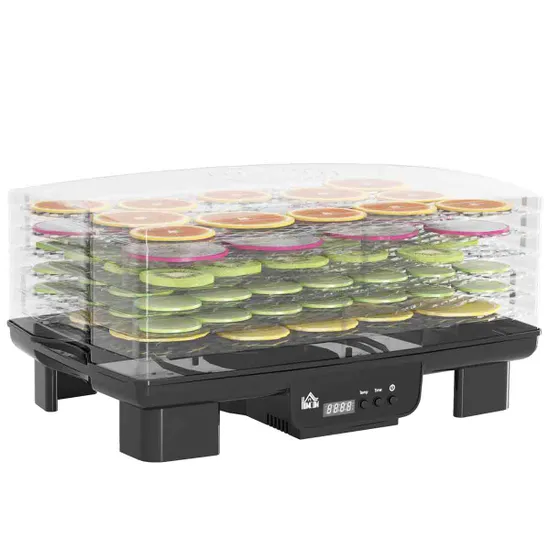
What is an Industrial Food Dehydrator and Why Does Your Business Need One?
At its core, an industrial food dehydrator is a sophisticated piece of equipment designed to remove moisture from food products through controlled heat and airflow. This process inhibits microbial growth and enzymatic reactions, which are the primary culprits behind spoilage, leaving you with a product that’s lighter, more compact, and significantly shelf-stable. For businesses, the benefits ripple far beyond simple preservation.
Extended Shelf Life & Waste Reduction
One of the most immediate and impactful advantages is the dramatic extension of food shelf life, turning perishable goods that might otherwise go to waste into valuable assets. Imagine transforming surplus produce from days to months or even years of usability, drastically reducing your operational waste and boosting sustainability efforts.
Creating High-Value Products & Intensified Flavors
An industrial food dehydrator isn’t just about saving food; it’s about creating new opportunities. The market for healthy, natural, and minimally processed snacks is booming. Dehydration allows you to craft unique, premium products like artisanal beef jerky, gourmet fruit leathers, vegetable chips, or specialized herb blends that command higher profit margins. The removal of water concentrates natural sugars and flavors, resulting in a more intense and satisfying taste experience.
Nutrient Preservation
Contrary to some misconceptions, modern industrial food dehydration techniques are excellent at retaining a significant portion of the food’s original nutritional content. Unlike high-heat canning, controlled low-temperature drying methods preserve essential vitamins, minerals, enzymes, and antioxidants, offering health-conscious consumers a nutritious alternative to many processed foods [cite: 1, 2, 3, 4, 5 (nutritional impact)]. As Dr. Lena Petrova, a leading food science expert, notes, “Proper dehydration locks in the goodness, making dried foods a powerhouse of concentrated nutrition.”
Cost-Effectiveness & Operational Efficiency
Think about the logistics: dehydrated foods are considerably lighter and take up less space than fresh or frozen alternatives. This translates directly into reduced shipping costs and significantly lower storage expenses, as refrigeration or freezing is often no longer required. Producing in bulk also lowers per-unit costs, enhancing your bottom line [cite: 1, 2, 3, 4, 5 (benefits)].
Consistent Quality & Scalability
Industrial units offer precise control over temperature, humidity, and airflow, ensuring uniform drying across every batch. This consistency is vital for maintaining product quality and meeting stringent food safety standards, day after day. Furthermore, these machines are built for high-volume output, making them perfectly scalable for growing businesses, from small artisanal producers to large-scale food manufacturers [cite: 1, 4 (benefits), 5 (how to choose)].
Navigating the Options: Types of Industrial Food Dehydrators and How to Choose the Right One
Choosing the right industrial food dehydrator is a strategic decision that impacts your production efficiency and product quality. It’s not a one-size-fits-all scenario, as different designs and technologies cater to varying needs.
What are the main types of industrial food dehydrators?
Generally, industrial dehydrators can be categorized by their operational flow and airflow design. Batch dehydrators, such as cabinet or tray types, process food in distinct batches and are flexible for various products. Continuous dehydrators, like conveyor mesh belt systems, are ideal for large-scale, automated production where consistent high volume is key. [cite: 1 (types)]
- Batch vs. Continuous Dehydrators:
- Batch Type: These include large tray dehydrators (sometimes with multiple doors or compartments) where food is loaded onto racks or trays. They are versatile and allow for processing different products or batches at varying settings. Capacities can range from 24 to over 100 trays, suitable for small to medium-large operations. [cite: 1 (types)]
- Continuous Type: Designed for automated, uninterrupted production, conveyor mesh belt dehydrators are perfect for very high-volume processing of items like noodles, vegetables, or fruits in a continuous flow. [cite: 1 (types)]
- Horizontal Airflow (Shelf-Tray) vs. Vertical Airflow (Stacking):
- Horizontal Airflow: Typically found in cabinet-style industrial models, these dehydrators have a fan mounted at the back, circulating air horizontally across the trays. This design ensures highly even heat distribution and airflow, reducing the need for manual tray rotation and guaranteeing consistent results. This is often the preferred choice for commercial use [cite: 1, 5 (types, airflow)].
- Vertical Airflow: More common in smaller, home-use models, these have the fan at the top or bottom, pushing air vertically through stacked trays. While more compact, they often result in uneven drying, requiring frequent tray rotation [cite: 5 (types, airflow)].
- Different Heating Technologies:
- Hot Air Circulation: The most common method, circulating heated air to evaporate moisture. Efficient for many applications.
- Heat Pump Dryers: An energy-saving alternative that uses a heat pump to both heat and dehumidify the air, offering improved efficiency and sometimes lower operating temperatures.
- Vacuum Microwave Drying: An advanced method that combines microwave energy with vacuum pressure for rapid, low-temperature drying. This technique is known for superior nutrient and flavor retention.
- Freeze Drying: Often considered the “gold standard” for preserving nutrient content, color, and texture. It involves freezing the food and then sublimating the ice under vacuum. However, it’s typically more expensive and time-consuming for large-scale operations [cite: 1, 3, 4 (nutritional impact)].
How to choose the best industrial food dehydrator for your business?
When selecting an industrial food dehydrator, prioritize models that offer precise temperature control, consistent airflow, and durable construction to ensure both safety and repeatable results. For larger production, consider rack-mounted or continuous systems. [cite: 1 (how to choose)]
- Capacity Requirements: Assess your daily or weekly processing volume. Do you need to handle 50 pounds or 500 pounds of product? This will dictate the size and number of trays or the type of continuous system you need. Large-scale operations often require units with 20+ trays or significant square footage of drying area [cite: 1, 3, 4 (how to choose)].
- Precise Temperature Control: Look for a machine with an adjustable thermostat and digital controls for accuracy. Different foods require specific temperature ranges (e.g., 95°F for herbs, 165°F for meats) to dry effectively while preserving quality and nutrients. Aim for a system that maintains temperature precision within ±5°F [cite: 1, 2, 4 (how to choose)].
- Airflow Design: Horizontal airflow is generally superior for industrial applications due to its consistent drying capabilities.
- Durable Material (Stainless Steel): Industrial environments demand durability and hygiene. Stainless steel construction (preferably 304-grade) is essential for corrosion resistance, ease of cleaning, and meeting sanitation codes [cite: 1, 3, 5 (how to choose)].
- Energy Efficiency: Consider the wattage and insulation quality. Heat pump models can offer significant energy savings over conventional electric heating elements, reducing long-term operating costs.
- Certifications & Safety Standards: Ensure the equipment meets relevant industry standards like NSF, HACCP, or FDA guidelines for food-contact materials and safety. This is crucial for regulatory compliance and consumer trust [cite: 1 (how to choose)].
A Step-by-Step Approach: Basic Guide to Using Your Industrial Food Dehydrator
Operating an industrial food dehydrator is a blend of science and art. Mastering the basics ensures high-quality, safe, and delicious dried products every time.
How do you properly prepare food for an industrial dehydrator?
Begin by thoroughly washing and drying all food items. For meats, remove excess fat or bones. Slice or chop foods uniformly to ensure even drying, which is crucial for consistent results and food safety. [cite: 4 (usage/maintenance)]
- Preparation of Food Items: This is where success begins. Wash all produce thoroughly, trim any bruised or damaged parts, and remove pits or cores. For meats, trim off all visible fat to prevent rancidity. Uniform slicing or chopping is paramount; pieces that are too thick will dry slowly and unevenly, while pieces that are too thin can become brittle or over-dry. Some foods, like apples or potatoes, benefit from a pre-treatment (e.g., an acid bath or blanching) to prevent browning or improve texture.
Loading the Dehydrator Effectively: What are the best practices?
Arrange food items on trays with ample space between them to allow for proper airflow. Avoid overlapping or overcrowding, as this will hinder drying efficiency and lead to uneven dehydration. [cite: 4 (usage/maintenance)]
- Loading the Dehydrator Effectively: Arrange your prepared food in a single layer on the trays, ensuring there’s enough space between pieces for air to circulate freely. Overloading trays is a common mistake that significantly prolongs drying times and can lead to uneven results.
Setting Temperature and Time: How do you know the right settings?
Follow the manufacturer’s recommendations or reputable guides for specific foods. Different items require different temperatures and durations to dry properly while retaining their quality. Digital controls allow for precise adjustment. [cite: 2 (how to choose), 4 (usage/maintenance)]
- Setting Temperature and Time: Consult your industrial dehydrator’s manual or a reliable food dehydration guide for recommended temperatures and drying times for various foods. Meats generally require higher temperatures (around 145-160°F) for safety, while delicate herbs need lower settings (90-100°F) to preserve their volatile oils. Digital thermostats provide the precision needed for optimal outcomes.
Monitoring the Process: Is constant supervision necessary?
Regular monitoring is essential to ensure the dehydration process is proceeding smoothly. Check progress periodically, and be prepared to adjust drying times or even move trays if necessary, especially with vertical airflow models, to ensure consistent moisture removal. [cite: 4 (usage/maintenance)]
- Monitoring the Process: Regular checks are crucial. Foods may dry at different rates, even within the same batch. Periodically inspect the food for dryness, checking for pliability (for fruits) or crispness (for vegetables). If you notice uneven drying, consider rotating trays if your model benefits from it.
From Farm to Feast: Foods You Can Dry and Recipe Ideas
The versatility of an industrial food dehydrator means an almost endless array of possibilities for your product line.
- Fruits: Apple slices, banana chips, mango strips, berry powders, fruit leathers (pureed fruit spread thinly), and sun-dried tomatoes (technically a fruit!). These make excellent snacks or ingredients for baked goods and cereals.
- Vegetables: Kale chips, zucchini crisps, dried mushrooms, bell pepper flakes, onion powder, and root vegetable chips. Perfect for savory snacks, soup bases, or seasonings.
- Meats & Seafood: Beef jerky, turkey jerky, dried fish, and even pet treats. With proper preparation and drying temperatures, these can be a highly profitable segment.
- Herbs & Spices: Preserve your garden’s bounty or specialty herbs by drying them for long-lasting flavor in culinary blends.
- Specialty Items: Consider drying pasta ingredients, grains, or even making yogurt in a dehydrator with consistent low heat.
Maximize Your Yield: Tips and Tricks for Effective Dehydration
Achieving optimal results with your industrial food dehydrator is about fine-tuning your process.
- Uniform Slicing is Key: As mentioned, consistency in size and thickness is vital for even drying. Invest in good slicing equipment for large batches.
- Pre-treatment Methods: For certain fruits (like apples or apricots), a quick dip in lemon juice or an ascorbic acid solution can prevent enzymatic browning. Blanching some vegetables can help retain color and texture.
- Optimizing Airflow and Tray Rotation: If your machine has a horizontal airflow design, tray rotation might not be necessary. However, for vertical airflow models, rotating trays regularly ensures all food gets equal exposure to heat and air.
- Don’t Overload: Resisting the urge to pack trays too tightly is crucial. Proper spacing allows for efficient airflow and quicker drying.
- Achieving the Right Moisture Content: Over-dried food can be brittle and lose flavor, while under-dried food risks spoilage. Learn to recognize the right texture for each food type – typically, dried fruits should be leathery and pliable, while vegetables should be crisp.
Storing Your Golden Harvest: Proper Preservation of Dried Foods
Once your food is perfectly dehydrated, proper storage is the final, critical step to lock in freshness and extend its impressive shelf life.
- Airtight Containers: The enemy of dried food is moisture and oxygen. Use airtight jars, vacuum-sealed bags, or food-grade buckets with gamma seals to protect your products.
- Cool, Dark, Dry Place: Store your sealed containers in a pantry or cupboard away from direct sunlight, heat sources, and humidity. These elements can degrade quality and shorten shelf life.
- Labeling and Shelf Life: Always label your containers with the food type and drying date. While many dried foods can last for years, most are best consumed within 6-12 months for optimal flavor and quality.
The Goodness Within: Nutritional Value of Dried Foods
Many clients ask about the nutritional impact of dehydration. The good news is, it’s generally a fantastic way to preserve food’s inherent goodness.
Does industrial food dehydration preserve nutrients effectively?
Yes, industrial food dehydration, especially with controlled low-temperature methods like heat pump or vacuum microwave drying, effectively retains most of a food’s original nutritional value. Key nutrients like minerals, fiber, and many vitamins (B complex) are largely preserved, and antioxidants remain active. [cite: 2, 3, 4, 5 (nutritional impact)]
- Retention of Vitamins, Minerals, and Antioxidants: Dehydration primarily removes water, concentrating the other components. This means that fiber, minerals (like iron and potassium), and many B vitamins remain largely intact. While some heat-sensitive vitamins (like Vitamin C and A) can experience a reduction, modern dehydrators with precise temperature controls minimize this loss [cite: 1, 4, 5 (nutritional impact)].
- Concentrated Nutrients: Because water is removed, the remaining nutrients are more concentrated by weight. This makes dried fruits and vegetables nutrient-dense snacks.
- Impact of Drying Methods on Nutrition: Methods like vacuum microwave drying or freeze-drying are particularly adept at preserving delicate nutrients and enzymes due to lower processing temperatures [cite: 3, 4 (nutritional impact)]. “Selecting the right dehydration technology can significantly impact the final nutritional profile, allowing businesses to meet specific health claims for their products,” advises Dr. Alex Chen, a food processing specialist.
Beyond the Basics: Industrial Dehydration vs. Other Preservation Methods
When considering large-scale food preservation, industrial dehydration stands out in several ways.
- Dehydration vs. Canning: Canning involves high heat, which can destroy more heat-sensitive nutrients and often requires added salt or sugar for preservation. Dehydration typically retains more nutrients and avoids these additives, resulting in a cleaner product [cite: 1 (benefits), 4 (how to choose)].
- Dehydration vs. Freezing: Freezing retains nutrients well but requires continuous energy for storage and significant freezer space. It also can alter the texture of some foods upon thawing. Dehydrated foods are shelf-stable, reducing energy consumption and storage volume.
- Sustainability and Environmental Impact: By reducing food waste, optimizing transportation, and often consuming less energy than other long-term preservation methods, industrial food dehydration offers a more sustainable approach to food processing [cite: 1, 5 (benefits)].
Frequently Asked Questions About Industrial Food Dehydrators
What’s the difference between a commercial and industrial dehydrator?
While often used interchangeably, “commercial” generally refers to units suitable for smaller businesses like restaurants or delis, processing moderate volumes. “Industrial” denotes larger, heavy-duty machines designed for high-volume, continuous production in manufacturing facilities or large farms.
How much energy does an industrial dehydrator consume?
Energy consumption varies greatly depending on the machine’s size, capacity, heating technology (e.g., heat pump models are more energy-efficient), and the specific drying cycle. Modern industrial dehydrators are designed with energy efficiency in mind to help reign in running costs [cite: 3 (how to choose)].
Can I dehydrate different foods at the same time?
It’s generally not recommended to dehydrate foods with strong, distinct odors (like onions or garlic) simultaneously with those that absorb odors easily (like fruits), as flavors can transfer. However, foods with similar moisture content and aroma profiles can often be dried together.
How often should I clean my industrial dehydrator?
Regular cleaning after each batch is crucial to prevent food residue buildup, maintain hygiene, and ensure efficient airflow. A deeper clean, including inspection of components like fans and heating elements, should be performed periodically according to the manufacturer’s guidelines [cite: 1, 2, 3, 4, 5 (maintenance)].
What are the most common mistakes to avoid with an industrial food dehydrator?
Common mistakes include overloading trays, failing to slice food uniformly, using incorrect temperatures, not monitoring the drying process, and neglecting regular cleaning. Avoiding these ensures consistent product quality and extends the life of your machine [cite: 5 (maintenance)].
Conclusion
The industrial food dehydrator is more than just a piece of equipment; it’s a strategic asset for any forward-thinking food business. From dramatically extending shelf life and reducing waste to unlocking new product lines and preserving vital nutrients, its benefits are profound. By understanding the types, choosing wisely, and mastering the operational techniques, you empower your business to innovate, become more sustainable, and deliver exceptional quality to your customers. Embrace the power of dehydration and watch your business thrive in the evolving landscape of food production.