Ever felt like your kitchen counter is already a bustling city, leaving no room for another gadget, yet you dream of making your own healthy, delicious dried snacks? You’re not alone! Many home cooks and health enthusiasts are discovering the magic of a Small Food Dehydrator, a compact powerhouse that opens up a world of culinary possibilities without taking over your precious space. This ingenious appliance is more than just a trend; it’s a game-changer for preserving food, enhancing flavors, and embracing a healthier lifestyle.
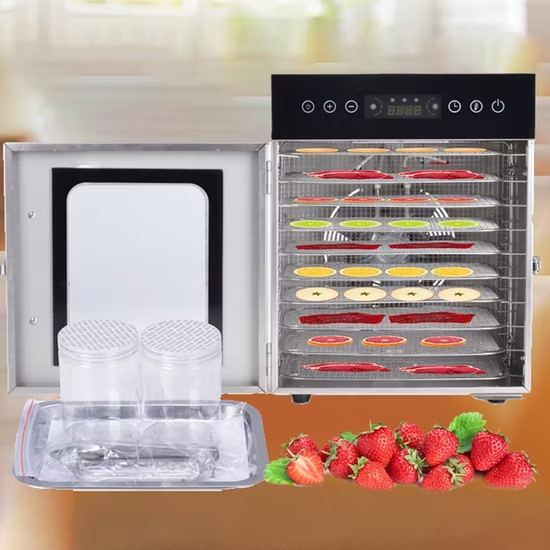
What is a Food Dehydrator and Why Go Small?
At its core, a food dehydrator is a kitchen appliance designed to remove moisture from food through consistent low heat and circulating air. This process inhibits bacterial growth, allowing you to preserve fruits, vegetables, meats, and herbs for extended periods. While larger models exist, a small food dehydrator is specifically crafted for efficiency in compact living spaces or for those who prefer drying smaller batches.
The benefits of owning a food dehydrator are immense. You gain control over ingredients, avoiding the added sugars, preservatives, and artificial flavors often found in store-bought dried goods. From a financial perspective, dehydrating allows you to save money by preserving seasonal produce surpluses and reducing food waste. Environmentally, it’s a greener choice, often using less energy than an oven for similar tasks. For a small food dehydrator, these benefits are amplified by its minimal footprint and quick preheating times, making healthy food preservation accessible to everyone.
Choosing Your Perfect Small Food Dehydrator
Selecting the right dehydrator, especially a smaller one, involves considering a few key factors to match your lifestyle and kitchen.
Types of Small Food Dehydrators
Generally, dehydrators come in two main types:
- Vertical Flow (Stackable): These compact and often budget-friendly models feature a heating element and fan at the top or bottom. Air flows vertically through stacked trays. They are excellent for drying fruits and vegetables, though some models might require occasional tray rotation for even drying. Many small food dehydrator models fall into this category due to their space-saving design.
- Horizontal Flow (Shelf/Box-style): Resembling a small oven, these units have a fan and heating element at the back, circulating air horizontally across shelves. They tend to dry food more evenly and are highly recommended for jerky, thicker items, and those who want to avoid flavor transfer between different foods. While generally larger, some compact horizontal flow units are available, offering professional results in a smaller package.
How to Choose Your Small Dehydrator
When shopping for a small food dehydrator, keep these points in mind:
- Size and Capacity: How much counter space do you have? How many trays do you need for your typical batch size? Some small models offer expandable trays or collapsible designs for easier storage.
- Temperature Control: Look for adjustable temperature settings (ideally 90°F to 165°F) for versatility across different food types. Digital controls often offer more precision.
- Timer and Auto-Shutoff: These features are incredibly convenient, especially for long drying cycles or overnight operation, preventing over-drying.
- Noise Level: A quiet dehydrator is a blessing, especially in open-plan living spaces.
- Ease of Cleaning: Dishwasher-safe trays and non-stick surfaces can make cleanup a breeze.
- Materials: Stainless steel or BPA-free plastics are common. Stainless steel often implies greater durability and a more premium feel.
“A small food dehydrator isn’t just about saving space; it’s about smart, efficient preservation for modern living,” advises Chef Julian Thorne, a culinary innovation expert. “The right compact model can empower anyone to craft wholesome snacks and reduce waste without compromise.”
Basic Usage Guide for Your Small Food Dehydrator
Getting started with your small food dehydrator is surprisingly straightforward. Here’s a basic step-by-step guide:
- Preparation is Key:
- Cleanliness: Always start with fresh, clean produce. Wash fruits and vegetables thoroughly.
- Uniform Slicing: This is crucial! Slice your food into consistent sizes and thicknesses to ensure even drying. A mandoline slicer can be a great tool for this.
- Pretreatment (Optional but Recommended): For some fruits (like apples or bananas), a quick dip in lemon juice or an ascorbic acid solution can prevent browning and preserve color. Blanching certain vegetables can also help retain color and nutrients.
- Seasoning: If making jerky or seasoned vegetable chips, season lightly. Remember, flavors concentrate during dehydration, so a little goes a long way!
- Loading the Trays: Arrange your prepared food in a single layer on the dehydrator trays. Avoid overlapping pieces to allow for optimal airflow. Overcrowding can lead to uneven drying and longer processing times.
- Setting the Temperature and Time: Consult your dehydrator’s manual or reliable online guides for recommended temperatures and drying times for specific foods. Generally, temperatures range from 90°F (for herbs) to 165°F (for meat jerky). Drying times can vary significantly, from a few hours to over a day.
- Drying Process: Let your small food dehydrator work its magic. Resist the urge to rush the process by increasing the temperature too much; this can ‘case-harden’ the food, drying the outside while trapping moisture within, leading to spoilage. Check your food periodically, especially towards the end of the recommended drying time.
- Cooling and Testing: Once dried, turn off the dehydrator and let the food cool completely to room temperature. To test for proper dryness, try placing a piece in a sealed glass jar; if condensation forms, it needs more drying time. Foods should be pliable for fruits, brittle for vegetables, and chewy for jerky, but all should be free of any noticeable moisture.
Delicious Foods You Can Dehydrate in a Small Food Dehydrator
Don’t let the size fool you; a small food dehydrator can handle a surprising variety of foods, perfect for everyday snacking or preparing ingredients for meals.
Fruits and Fruit Leathers
Fruits are perhaps the most popular choice for dehydration. Think apple chips, banana slices, strawberry snacks, or even homemade raisins from grapes. For fruit leather, simply purée your favorite fruits (add a touch of lemon juice for brightness), spread thinly on a fruit leather sheet, and dehydrate until pliable and non-sticky. Watermelon jerky is also a unique and tasty treat!
Vegetables
Dried vegetables are fantastic for adding to soups, stews, or enjoying as crunchy chips. Zucchini slices, carrot chips, bell pepper strips, kale chips, and sun-dried tomatoes (even cherry tomatoes work great!) are all excellent options. Rehydrating them is easy—just soak in water or add directly to liquid-rich dishes.
Herbs and Spices
Preserve your garden’s bounty of fresh herbs. Drying herbs like basil, oregano, thyme, and rosemary in your small food dehydrator at low temperatures helps retain their vibrant color and potent aroma, far surpassing air-drying methods.
Meat Jerky
For the jerky enthusiasts, a compact dehydrator can still produce delicious, high-protein snacks. Thinly sliced, lean meats (beef, turkey, chicken) marinated with your favorite spices can be transformed into chewy, flavorful jerky.
Unexpected Dehydrator Delights
Beyond the usual, a small food dehydrator can also be used for:
- Yogurt: Creating homemade yogurt is possible by maintaining a consistent low temperature.
- Meringues: Some chefs claim dehydrators produce crunchier meringues than ovens.
- Iced Biscuits/Cookies: Helps icing dry quicker and smoother.
- Mushrooms: Dried mushrooms add an incredible umami depth to dishes.
Tips and Tricks for Efficient Drying
Maximizing the performance of your small food dehydrator is all about smart practices:
- Don’t Mix Strong Flavors: If your dehydrator has vertical airflow, avoid drying strongly scented foods (like onions or garlic) with mild ones (like apples), as flavors can transfer.
- Rotate Trays (for Vertical Flow): If your unit has a bottom-mounted fan, rotate trays occasionally for more even drying. The bottom trays dry faster.
- Utilize Fine Mesh Sheets: These are invaluable for small items like herbs or sticky fruit leather, preventing them from falling through trays.
- Keep it in a Dry, Warm Room: The ambient conditions of your kitchen can impact drying time. A less humid environment will aid efficiency.
- Patience is a Virtue: Dehydration is a slow process. Resist the urge to pull food out early; it needs to be thoroughly dry for safe, long-term storage.
Proper Storage of Dehydrated Foods
Once your food is perfectly dried and cooled, proper storage ensures its longevity and quality. Store dehydrated items in airtight containers (glass jars with tight lids or vacuum-sealed bags are ideal) in a cool, dark, and dry place. Away from direct sunlight and humidity, your dehydrated treats can last for months, or even up to a year or two for some foods, providing a year-round supply of healthy provisions.
Nutritional Value of Dehydrated Foods
One of the great advantages of using a small food dehydrator is its ability to preserve the nutritional integrity of your food. Unlike high-heat cooking methods that can deplete certain vitamins and minerals, dehydration uses low temperatures, which helps retain a significant portion of the original nutrients. The process concentrates flavors and nutrients without adding fats, sugars, or preservatives, making dehydrated foods a naturally healthy snack option, rich in fiber, vitamins, and minerals.
Small Dehydrator vs. Other Preservation Methods
Compared to freezing or canning, dehydrating with a small food dehydrator offers unique advantages:
- Nutrient Retention: Dehydration often retains more nutrients than canning (which can involve high heat) or freezing (where some delicate vitamins can degrade over time).
- Space-Saving: Dehydrated food shrinks dramatically, taking up minimal pantry space, unlike bulky frozen goods or heavy canned jars.
- Portability: Lightweight and shelf-stable, dried foods are perfect for hiking, camping, or on-the-go snacks, requiring no refrigeration.
- Energy Efficiency: While running for several hours, a dehydrator typically uses less energy than continuously freezing food or the high-heat process of canning.
Frequently Asked Questions About Small Food Dehydrators
Q: Can a small food dehydrator really handle enough food for a family?
A: Absolutely! While “small” implies a compact footprint, many small food dehydrators are designed with multiple trays, allowing you to dry substantial batches. They are perfect for daily snacks or preserving a garden surplus without needing a commercial-sized unit.
Q: What’s the main difference between a cheap small dehydrator and a more expensive one?
A: The main differences often lie in features like precise temperature control, a built-in timer with auto-shutoff, quieter operation, higher quality materials (like stainless steel trays), and more even drying performance, especially in horizontal flow models.
Q: How long does it take to dehydrate food in a small food dehydrator?
A: Drying times vary greatly depending on the food type, thickness, moisture content, and ambient humidity. Fruits can take 6-12 hours, vegetables 4-10 hours, and jerky 5-15 hours. Always refer to your manual for specific guidelines.
Q: Do I need to pre-treat foods before dehydrating in a small unit?
A: Pre-treating is optional for most foods but recommended for some. For instance, a lemon juice soak can prevent browning in apples and bananas, while blanching certain vegetables helps preserve their color and stops enzyme action.
Q: Is a small food dehydrator difficult to clean?
A: Most modern small food dehydrators are designed for easy cleaning. Many come with dishwasher-safe trays and non-stick surfaces. Wipe down the base unit with a damp cloth, avoiding immersion in water.
Q: Can I make fruit leather in a small food dehydrator?
A: Yes, many small food dehydrators come with fruit leather sheets or trays. Simply purée your fruit, spread it thinly on the sheet, and dehydrate until it’s pliable and easy to peel.
Q: Are dehydrated foods safe for long-term storage without refrigeration?
A: Yes, when properly dehydrated (meaning virtually all moisture is removed) and stored in airtight containers in a cool, dark, dry place, dehydrated foods are shelf-stable and can last for many months to a few years.
The Small Dehydrator Revolution: Big Impact in a Small Package
Embracing a small food dehydrator means stepping into a world of concentrated flavors, wholesome snacks, and smart food preservation. It’s an investment that pays dividends in health, savings, and culinary creativity, all while respecting your kitchen space. Whether you’re a seasoned chef or a curious beginner, a compact dehydrator offers a simple, effective path to enjoying nutritious, homemade goodness year-round. So, why not give it a try and discover the surprisingly big impact a small food dehydrator can have on your kitchen and your lifestyle?