Imagine savoring the taste of summer’s harvest long after the season has passed, all thanks to the power of the sun. A Solar Food Dehydrator isn’t just a clever gadget; it’s a gateway to sustainable living, transforming fresh produce into shelf-stable delicacies with zero electricity. In a world increasingly conscious of energy consumption and food waste, this ingenious device offers a truly eco-friendly solution for preserving your bounty and enjoying nutritious, homemade snacks year-round.
What Exactly is a Solar Food Dehydrator?
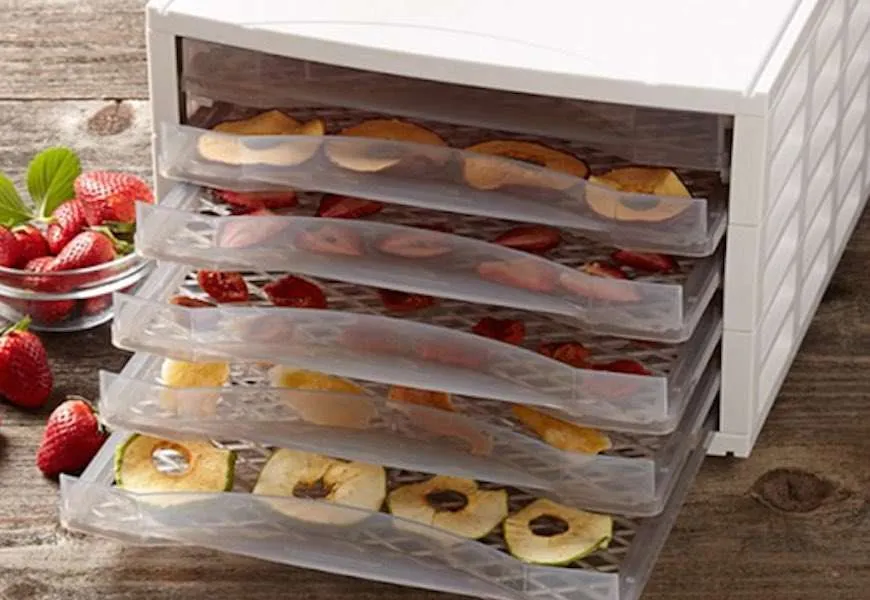
At its core, a solar food dehydrator is a device that harnesses the sun’s radiant energy to gently remove moisture from food. Think of it as nature’s own slow oven, creating an optimal environment for drying fruits, vegetables, herbs, and even meats without the need for an electrical outlet. This ancient preservation technique, upgraded with modern design principles, protects your food from pests and environmental contaminants while concentrating its flavors and nutrients.
So, how does a solar food dehydrator work its magic? The process is remarkably simple yet highly effective. Solar radiation passes through a transparent cover (usually glass or polycarbonate), heating a dark-colored interior surface. This absorbed heat warms the air inside the dehydrator. As the air heats up, it becomes “thirsty,” eager to absorb moisture. This warm, moist air then naturally rises and exits through strategically placed vents, carrying away the water vapor from your food. This continuous airflow, driven by convection, ensures efficient and even drying. Many designs also incorporate an insulated box and an absorber plate, creating a micro-climate where temperatures can consistently reach the ideal range for dehydration, typically between 120-140°F (50-60°C).
Why Choose a Solar Food Dehydrator? Unlocking Nature’s Pantry
The benefits of integrating a solar food dehydrator into your home or business are truly compelling, touching upon economy, ecology, and pure culinary delight.
Cost-Effectiveness and Energy Independence
One of the most immediate advantages is the sheer cost-saving. Running purely on sunshine, a solar food dehydrator eliminates electricity bills entirely. Once you’ve invested in or built your unit, the energy source is absolutely free. This makes it an invaluable tool for off-grid living, emergency preparedness, or simply reducing your carbon footprint.
Extended Shelf Life and Food Security
With proper preparation and storage, solar-dried foods can last for years—dried fruit for up to five years, and vegetables for a decade or more. This incredible longevity builds a resilient food pantry, ensuring you have healthy, homegrown provisions available even when fresh produce is out of season or unavailable. It’s a powerful step towards true food security.
Enhanced Flavor and Nutritional Benefits
Drying concentrates natural sugars and flavors, often resulting in a more intense taste experience than fresh produce. Beyond taste, solar dehydration is an excellent method for preserving nutritional value. While some water-soluble vitamins like C can be sensitive to heat, minerals and dietary fiber remain largely intact, and in some cases, even become more concentrated. Remarkably, mushrooms dried with solar methods can significantly increase their Vitamin D content, offering a potent natural supplement.
Environmental Impact and Sustainability
Using a solar food dehydrator means you’re embracing a truly sustainable approach to food preservation. You’re leveraging a renewable energy source, reducing reliance on fossil fuels, and minimizing food waste. It’s a choice that feels good for your family and the planet.
Comparison to Traditional Sun Drying
While traditional sun drying (simply laying food out in the open) is an ancient method, a dedicated solar food dehydrator offers significant improvements. Its enclosed design protects food from insects, dust, rain, and other contaminants, ensuring a more hygienic and consistent drying process. The controlled environment also helps prevent spoilage that can occur with open-air methods, especially in less-than-ideal weather conditions.
Types of Solar Food Dehydrators: Finding Your Perfect Match
Just like there’s more than one way to grow a garden, there are different designs of solar food dehydrators, each with unique characteristics. Understanding these can help you choose or build the best one for your needs.
Direct vs. Indirect Designs
- Direct Solar Dehydrator: This is the simpler approach, where food is placed directly in a transparent box or chamber, exposed to the sun’s rays. It’s easy to build and inexpensive, making it a great starting point. However, direct exposure can sometimes lead to uneven drying or potential nutrient loss from UV light, and it performs best in very dry climates.
- Indirect Solar Dehydrator: Often considered more efficient, this design separates the solar collector from the food drying chamber. Air is heated in a separate collector box and then circulated through the food chamber. This method provides more consistent temperatures, better airflow, and protects food from direct UV exposure, leading to more uniform drying and better nutrient retention. While slightly more complex to build, it delivers superior results and works well even in less sunny conditions.
Passive vs. Active Systems
- Passive Solar Dehydrator: Most common for home use, passive systems rely entirely on natural convection—warm air rising—to circulate air and remove moisture. They have no moving parts and require zero electricity.
- Active Solar Dehydrator: These systems incorporate a small fan to force air circulation, speeding up the drying process and providing more control over airflow. While a fan typically requires a small power source, it can often be powered by a tiny solar panel, maintaining the overall energy-independent ethos. Active systems are particularly beneficial in more humid climates or when you need faster drying times.
When considering any type of food dehydrator, whether it’s an electric or a solar food dehydrator, think about the volume of food you process, your climate, and your budget. For solar models, materials are key: a sturdy wood frame, clear glass or polycarbonate for the solar collection surface, and food-grade stainless steel or plastic mesh for trays are ideal. Good airflow management, with adjustable vents and potentially a solar chimney (a tall, black-painted exhaust vent), significantly improves efficiency.
Getting Started: Your Basic Guide to Using a Solar Food Dehydrator
Ready to dive into the world of solar drying? Here’s a simple guide to get you started with your solar food dehydrator:
- Preparation is Key: Wash your produce thoroughly. For many vegetables, a quick blanch (briefly dipping in boiling water) can help retain color and nutrients. The most crucial step is slicing your food thinly and uniformly—ideally around 1/4 inch thick. This ensures even drying and prevents some pieces from being ready while others are still moist.
- Loading Your Dehydrator: Arrange your prepared food in a single layer on the dehydrator trays. Avoid overcrowding, as good airflow between pieces is essential for efficient moisture removal. Leave some space between individual slices for air to circulate freely.
- Monitoring and Rotating: Place your solar food dehydrator in a sunny spot, ideally oriented south to maximize sun exposure. Check the food frequently. Temperatures inside should ideally be between 120-140°F (50-60°C); avoid temperatures above 180°F, which can cook the food. Rotate your trays daily to ensure uniform drying, as lower trays might dry faster than upper ones. If drying isn’t complete by evening, bring the trays indoors to protect them from cool, moist night air, which can cause rehydration.
Feast on the Sun’s Bounty: Foods Perfect for Solar Dehydration & Recipe Ideas
Almost any fruit, vegetable, or herb can be transformed in a solar food dehydrator. Here are some popular choices and how to prepare them:
- Fruits:
- Apples: Slice into rings or thin wedges. A sprinkle of cinnamon before drying makes for delicious, healthy apple chips perfect for oatmeal or snacking.
- Mangoes: Peel and slice into thin strips. Dried mango is a sweet, chewy tropical treat that’s far less messy than fresh.
- Oranges: Slice into thin rounds. These not only make beautiful garnishes for drinks but also add a wonderful aroma to potpourri.
- Vegetables:
- Tomatoes: Slice or halve cherry tomatoes. Sun-dried tomatoes are incredibly flavorful in sauces, salads, or just as a snack.
- Zucchini: Slice into thin rounds or strips. A great way to use up a bumper crop, offering a tender yet firm dried vegetable.
- Herbs: Lay fresh basil, oregano, thyme, or rosemary sprigs on trays. Dried herbs retain their potency for months, ready to season your winter stews.
- Mushrooms: Slice caps or dry whole if small. Solar-dried shiitake mushrooms are renowned for their enhanced Vitamin D content.
- Meats:
- Beef Jerky: Slice lean cuts of beef very thinly, marinate, and then dry. Homemade jerky is a protein-packed snack for hikes or everyday munching.
Pro Tips & Tricks for Super-Efficient Solar Drying
Getting the most out of your solar food dehydrator is an art form. Here are some seasoned tips to enhance your drying game:
- Temperature Control: While most passive solar dehydrators are self-regulating, a simple thermometer inside is crucial. Optimal drying happens between 120-140°F. If it gets too hot, partially shade the unit or open vents further.
- Humidity Management: High humidity is the enemy of drying. Choose sunny, low-humidity days for best results. In naturally humid areas, consider an active dehydrator with a fan or a hybrid model.
- Optimizing Airflow: Ensure your dehydrator is raised slightly off the ground for better air circulation. Regularly clear any debris from vents. For DIY enthusiasts, adding a solar chimney can significantly improve the “pull” of moist air out of the drying chamber.
“As a long-time advocate for sustainable living, I can tell you that a well-built solar food dehydrator isn’t just a tool; it’s a testament to ingenuity and self-reliance,” says Anya Sharma, a renowned permaculture designer. “It’s about connecting with your food and the environment in the most fundamental way.”
Storing Your Solar-Dried Treasures: Keeping Them Fresh
Proper storage is just as vital as proper drying to ensure your food lasts.
- Cool Completely: Allow all dehydrated food to cool down to room temperature before storing. Packing warm food can lead to condensation and spoilage.
- Conditioning (Optional but Recommended): For a couple of weeks after drying, store your food loosely in containers and shake them daily. If you see any condensation, the food needs more drying. This helps equalize any residual moisture.
- Airtight and Dark: Once conditioned, transfer your perfectly dried food into airtight jars, vacuum-sealed bags, or plastic containers. Store them in a cool, dark pantry away from direct sunlight and heat. For fruits, you can layer pieces with parchment paper to prevent sticking.
The Nutritional Edge: Solar Dehydration vs. Other Preservation Methods
When it comes to retaining nutrients, solar dehydration often outshines other preservation methods. While canning can lead to 60-80% nutrient loss due to high temperatures, and freezing can cause 40-60% loss from cell rupture, dehydration typically results in a minimal 3-5% nutrient loss.
A solar food dehydrator preserves essential minerals and dietary fiber remarkably well. Even delicate vitamins, such as Vitamin A and some B vitamins, are often better retained compared to high-heat canning. The gentle, consistent heat of solar drying, combined with good airflow, helps to lock in the goodness, providing you with highly nutritious, concentrated food that is significantly lighter and more compact than its fresh counterparts.
FAQs About Solar Food Dehydrators
How long does it take to dehydrate food in a solar dehydrator?
Drying times vary widely depending on the food type, thickness of slices, humidity, and sun intensity. Most foods can dry within 1-3 sunny days. Thinly sliced fruits and herbs might finish in a day, while denser vegetables or meats could take longer.
Can I use a solar dehydrator in humid climates?
Yes, but it can be more challenging. Indirect or active solar food dehydrator designs with enhanced airflow (like a solar-powered fan or chimney) are more effective in humid conditions. You may also need longer drying times or combine with short periods of indoor air drying.
Is solar-dried food safe?
When properly prepared and dried to the correct moisture content (typically below 15-20% for most foods), solar-dried food is very safe. The low moisture inhibits the growth of bacteria, molds, and yeasts. Proper storage in airtight containers is crucial for long-term safety.
What’s the best temperature for solar dehydrating?
The ideal temperature range for most foods in a solar food dehydrator is 120-140°F (50-60°C). This temperature is high enough to remove moisture efficiently but low enough to preserve enzymes and prevent cooking the food.
Can I make my own solar food dehydrator?
Absolutely! Many effective solar food dehydrator designs can be built using readily available and often recycled materials like wood, glass, old windows, and screens. DIY projects are popular among homesteaders and sustainable living enthusiasts.
Preserve Your Harvest, Sustain Your Lifestyle
Embracing a solar food dehydrator is more than just adopting a food preservation method; it’s a lifestyle choice. It connects you deeply with your food, the rhythm of the seasons, and the incredible power of the sun. From sweet, chewy fruit leathers to savory herb blends and robust jerky, the possibilities are endless. So, why not tap into nature’s free energy, reduce your waste, and fill your pantry with nutritious, delicious, and sustainably preserved foods? Your taste buds, your wallet, and the planet will thank you.