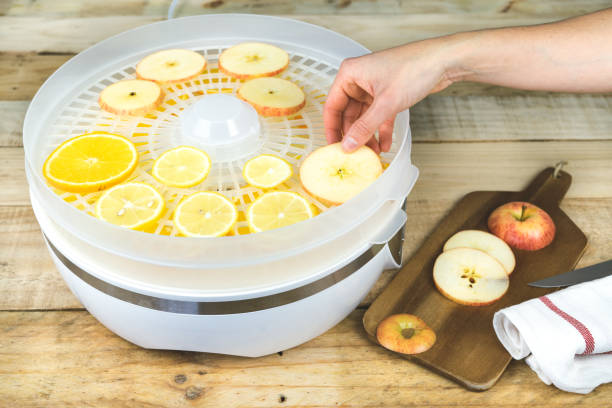
Imagine stepping into your kitchen, not just to cook a meal, but to embark on a culinary adventure that transforms fresh produce into concentrated bursts of flavor. This isn’t just about saving money; it’s about embracing a healthier lifestyle, reducing food waste, and unleashing your inner food artisan. And at the heart of this transformation? A reliable Waring Food Dehydrator, a powerhouse appliance that brings the ancient art of food preservation into your modern home or professional kitchen.
What is a Food Dehydrator and Why Choose Waring?
At its core, a food dehydrator is a device that gently removes moisture from food, inhibiting spoilage and preserving nutrients, flavors, and aromas. It’s a method as old as time, updated with modern technology to deliver consistent, safe results. But why choose a Waring food dehydrator? Waring has built a reputation for crafting durable, high-performance kitchen appliances that cater to both the enthusiastic home cook and the demanding professional chef. Their dehydrators stand out for their efficiency, thoughtful design, and ability to turn fresh ingredients into long-lasting, delicious provisions.
The benefits of dehydration are truly compelling:
- Extended Shelf Life: Say goodbye to wasted produce. Dehydrated foods can last for months, even years, without refrigeration.
- Enhanced Flavor: Removing water concentrates natural sugars and flavors, making everything taste more intense and delicious.
- Nutrient Retention: Unlike some cooking methods, dehydration at low temperatures helps to preserve vitamins, minerals, and enzymes.
- Healthy Snacking: Create your own guilt-free snacks, free from artificial additives, excessive sugar, or unhealthy fats found in many store-bought options.
- Cost Savings: Buying seasonal produce in bulk and dehydrating it can significantly cut down on your grocery bill.
- Reduced Food Waste: Give a second life to fruits and vegetables that are nearing their peak ripeness.
The Waring Family: From Home Kitchens to Commercial Culinary Labs
Waring understands that one size doesn’t fit all when it comes to food preservation. That’s why they offer a range of dehydrators designed to meet diverse needs, from the family kitchen to high-volume commercial settings.
Waring Pro DHR30: Your Home Kitchen Hero
For the home cook, the Waring Pro DHR30 professional dehydrator is a fantastic choice, lauded for its user-friendliness and excellent results. This model typically features a quiet operation, ensuring it won’t disrupt your household. It comes with multiple stackable, interlocking trays, often five, but can be expanded to accommodate up to nine, allowing you to dry substantial batches of food. The DHR30 also includes an adjustable thermostat, usually ranging from 110°F to 175°F, providing the flexibility needed for various food types. Its top-mounted fan system ensures warm air circulates evenly, promoting uniform drying across all trays. Users rave about its ability to produce perfect beef jerky, dried fruits, and herbs.
Waring Commercial WDH10: The Professional’s Edge
Stepping into the professional arena, the Waring Commercial WDH10 10-tray food dehydrator is built to meet the rigorous demands of chefs, mixologists, and commercial kitchens. This robust unit offers a generous 14 square feet of drying space across its ten large (15″x13.5″) stainless steel mesh racks. It boasts an intuitive digital LED display with capacitive touch controls and an adjustable temperature range from 90°F to 180°F. A standout feature for professionals is the inclusion of five memory stations, allowing you to save precise temperature and time settings for frequently used recipes, ensuring consistency across batches. With a timer that can be set for up to 99 hours and an automatic shutoff, the WDH10 provides unparalleled control and convenience. The clear-view glass door lets you monitor progress without disturbing the drying process, while its rear-mounted airflow system guarantees efficient and even dehydration. It’s an indispensable tool for creating everything from delicate meringues and dehydrated mousse to candied fruit garnishes and signature spice blends.
Choosing the Right Waring Food Dehydrator for Your Needs
Selecting the perfect Waring food dehydrator depends largely on your intended use and volume.
- Capacity: How much food do you plan to dehydrate at once? A smaller, stackable unit like the DHR30 is ideal for occasional home use, while the WDH10’s extensive drying area is perfect for larger batches or commercial applications.
- Temperature Control and Timer: Look for an adjustable thermostat and a timer. The ability to control temperature allows for dehydrating a wider variety of foods safely and effectively. Timers with automatic shutoff offer convenience and prevent over-drying.
- Airflow System: Waring dehydrators utilize either top-mounted (DHR30) or rear-mounted (WDH10) fans. Both aim for even drying, but rear-mounted systems generally offer more consistent results across all trays without the need for rotation.
- Material and Durability: Stainless steel construction, often found in commercial models, provides enhanced durability and is easier to clean. Plastic trays, common in home models, are lightweight and typically dishwasher-safe.
Getting Started: Basic Usage Tips for Your Waring Dehydrator
Using your Waring food dehydrator is straightforward, but a few foundational steps will ensure optimal results:
1. Preparation is Key
- Cleanliness: Always start with thoroughly washed and dried food.
- Slicing: Aim for uniform thickness (⅛ to ¼ inch) for even drying. A mandoline can be a great tool here.
- Pre-treating (Optional but Recommended): For fruits like apples or bananas, a quick dip in lemon juice or an ascorbic acid solution can prevent browning and preserve color. Vegetables sometimes benefit from blanching to shorten drying time and protect color.
2. Loading Your Trays
- Arrange food in a single layer on the trays, ensuring there’s space between pieces for air circulation. Overloading can lead to uneven drying and longer dehydration times.
- For fruit leathers, use the special non-stick sheets often included or available as accessories with your Waring food dehydrator.
3. Setting Temperature and Time
- Consult your user manual for recommended temperatures and times for specific foods. Generally, fruits and vegetables dry at higher temperatures (135°F-145°F), while herbs and delicate items prefer lower settings (95°F-105°F). Meats for jerky require higher temperatures (around 150°F-160°F) for food safety.
- If your Waring model has a timer, set it for the recommended duration. If not, plan to check your food periodically.
4. Monitoring Progress
- Check your food regularly, especially towards the end of the drying cycle.
- For models with stackable trays and top-mounted fans, rotating the trays from top to bottom and front to back can help ensure even drying. The Waring Commercial WDH10, with its rear-mounted fan, minimizes the need for tray rotation.
A World of Dehydrated Delights: Recipes and Ideas
A Waring food dehydrator opens up a universe of culinary possibilities.
Fruits
- Apple Chips: Thinly slice apples, optionally sprinkle with cinnamon, and dry until crisp for a healthy snack.
- Banana Slices: A naturally sweet and chewy treat.
- Mangoes, Berries, Pineapple: Perfect for trail mix, cereal toppings, or just munching.
- Fruit Leathers: Blend puréed fruit (like strawberry-banana or apple) and spread thinly on special sheets for a vibrant, chewy snack.
Vegetables
- Kale Chips: Season kale leaves and dehydrate until crispy for a nutritious alternative to potato chips.
- Sun-Dried Tomatoes: Rehydrate for sauces or enjoy as intensely flavored snacks.
- Mushroom Slices: Add depth to soups and stews, or grind into a savory powder.
- Root Vegetable Chips: Thinly sliced sweet potatoes or beets make colorful, healthy crisps.
Meats
- Beef Jerky: Marinate thinly sliced beef (or turkey, venison) in your favorite seasonings and dehydrate for a high-protein, portable snack. Ensure proper food safety temperatures are maintained.
Herbs and Spices
- Preserve your garden’s bounty by drying fresh herbs like basil, oregano, and parsley. Once dry, they can be easily crumbled or ground into powders, offering intense flavor all year round.
Mastering Dehydration: Tips and Tricks for Optimal Results
To truly excel with your Waring food dehydrator, consider these expert tips:
- Pre-treatment for Color and Freshness: For light-colored fruits, a brief soak in lemon juice or a sulfite solution (if no allergies) helps prevent oxidation and keeps them looking vibrant.
- Testing for Dryness: Food is properly dehydrated when it’s pliable but not sticky (fruits), brittle and crisp (vegetables, herbs), or chewy and firm (jerky). There should be no signs of moisture.
- Don’t Rush It: Low and slow is the key to quality dehydration. Rushing the process with high heat can cook the outside of the food while leaving moisture trapped inside, leading to spoilage.
- Energy Efficiency: Run your dehydrator during cooler parts of the day or overnight to take advantage of lower ambient temperatures, which can slightly reduce energy consumption.
Storing Your Dehydrated Treasures
Once your food is perfectly dry, proper storage is crucial to maintain its quality and extend its shelf life.
- Cool Completely: Allow all dehydrated food to cool completely to room temperature before storing. Warm food can create condensation, leading to moisture buildup and potential spoilage.
- Airtight Containers: Store your dried goodies in airtight containers such as glass jars, heavy-duty freezer bags, or vacuum-sealed bags.
- Dark, Cool Place: Keep containers in a dark, cool, and dry pantry. Light and heat can degrade food quality over time.
- Conditioning: For dried fruits, a process called “conditioning” helps equalize any remaining moisture. Place cooled dried fruit loosely in a jar for a week, shaking daily. If condensation appears, dehydrate further.
The Nutritional Power of Dehydrated Foods
One of the most compelling aspects of using a Waring food dehydrator is its ability to create highly nutritious foods. Because dehydration simply removes water, it concentrates the existing vitamins, minerals, and fiber. When you dehydrate fruits, vegetables, and meats at home, you control every ingredient, eliminating unwanted preservatives, artificial colors, or excessive sodium and sugar often found in commercial products. This makes homemade dehydrated snacks an excellent part of a balanced diet, providing sustained energy and supporting overall health.
Waring Dehydrators vs. Other Preservation Methods
While canning and freezing are popular preservation techniques, dehydration offers unique advantages, especially with a Waring food dehydrator. Freezing can alter texture, and canning often involves high heat that might reduce some nutrient content. Dehydration, performed at lower temperatures, maintains more of the food’s natural characteristics and nutritional integrity, while also resulting in a much lighter product, perfect for camping, hiking, or simply saving pantry space. It’s a method that truly locks in the essence of your food.
Frequently Asked Questions
What temperature should I use for different foods in my Waring dehydrator?
For fruits and vegetables, generally set your Waring food dehydrator between 135°F to 145°F. Herbs and delicate flowers do best at lower temperatures, around 95°F to 105°F. Meats for jerky require a higher temperature, typically 150°F to 160°F, for food safety. Always refer to your specific model’s manual for precise guidelines.
How long does it take to dehydrate food with a Waring unit?
Drying times vary significantly based on the food type, thickness, moisture content, and ambient humidity. Fruits often take 6-12 hours, vegetables 4-10 hours, and jerky 4-15 hours. Monitoring your food regularly is key; it’s done when it reaches the desired texture and is completely moisture-free.
Can I make fruit leather in my Waring food dehydrator?
Absolutely! Many Waring food dehydrators, especially models like the DHR30, come with fruit leather sheets or offer them as accessories. Simply blend your favorite fruits into a smooth purée, spread it thinly on the sheet, and dehydrate until it’s pliable and no longer sticky.
How do I clean my Waring dehydrator trays?
Most Waring dehydrator trays, particularly those from the Pro series, are top-rack dishwasher safe for easy cleaning. For commercial stainless steel trays, warm soapy water and a soft brush are usually sufficient. Always ensure the trays are completely dry before reassembling or storing.
Is it noisy to operate a Waring food dehydrator?
The Waring Pro DHR30 professional dehydrator is specifically noted for its very quiet operation, making little to no sound during use, which is ideal for home environments. Commercial models, while still efficient, may have a slightly more noticeable fan hum due to their larger capacity and powerful airflow systems.
Conclusion
Investing in a Waring food dehydrator isn’t just buying an appliance; it’s adopting a smarter, healthier, and more sustainable approach to food. Whether you’re a home cook looking to preserve garden harvests and create wholesome snacks, or a culinary professional aiming to innovate with new textures and flavors, Waring offers the reliability and performance you need. Embrace the ease, the flavor, and the countless possibilities that a Waring dehydrator brings to your kitchen. Start your dehydration journey today and discover a world of concentrated goodness!